


 SIGN UP FOR OUR
By Wendy Anders
A recent report by the World Bank shows some startling truths about economic inequality.
Three of the world’s least equitable countries are Costa Rica’s neighbors, on the narrow Central American isthmus connecting Mexico with South America.
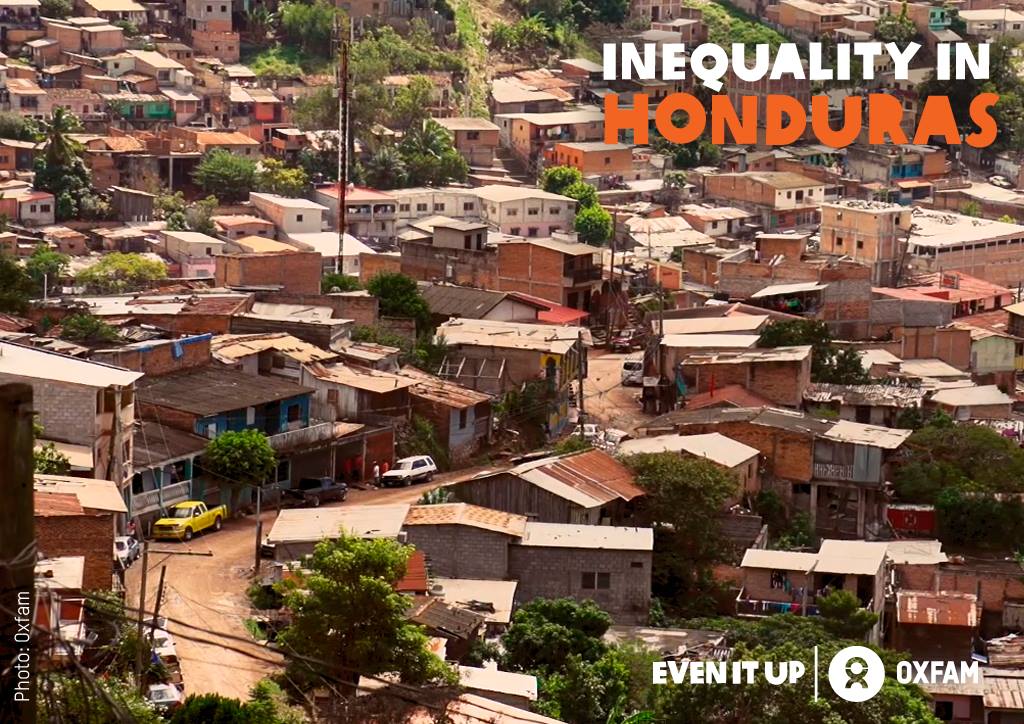
Honduras, is ranked as the 6th most unequal by the World Bank, followed by Colombia, Brazil, Guatemala, and Panama in 10th place. The world’s top five most unequal countries are African nations, said the report.
Data from Panama’s Ministry of Economy and Finance mirrors the global findings, reported Central America’s Summa business magazine. A recent household income distribution study found the richest 10 percent of Panama’s households had 37.3 times more income than the poorest 10 percent in 2015. This is a 4 point increase in inequality over 2014.
According to the World Bank, the global goal of eliminating extreme poverty by 2030 may not be achieved without accelerated economic growth or without the reduction of internal inequalities in countries, particularly in countries with large concentrations of poor people.
Inequality can be reduced without jeopardizing growth, said World Bank officials; interventions aimed at increasing equity can also promote economic growth and lasting prosperity, the agency added.
The world’s poorest residents are overwhelmingly rural dwellers (80 percent) and work in agriculture (64 percent); 44 percent work are under the age of 14, and 39 percent have not received any formal education, said the World Bank.
According to the global humanitarian aid agency, Oxfam, in recent statements at the World Economic Forum in Davos, Switzerland, the world’s wealthiest 8 men have the combined wealth of half the world’s population. Last year this number was 62 individuals holding the same wealth as half the world’s entire population, showing a growing trend in extreme wealth concentration.



