


 SIGN UP FOR OUR
 By Wendy Anders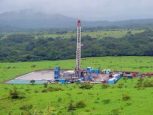
“The last time we used a fossil fuel plant to generate electricity was June 16,” stated the Costa Rican Electricity Institute (ICE) earlier this week. That made for 76 straight days of green energy production reported on this week, as Costa Rica takes the region’s lead in renewable energy.
In 2015, Costa Rica generated 99 percent of its electricity from renewable sources, and this year they plan to do the same, according to the United Nations Economic Commission for Latin America and the Caribbean (ECLAC).
Last week, news outlets from around the world highlighted Costa Rica’s most recent renewable feat of producing renewable electric energy during 150 days of this year.
In August, 80 percent of Costa Rica’s electricity came from hydroelectric plants, geothermal plants produced 12.6 per cent, and the rest came from wind and solar, according to recent ICE figures.
Costa Rica ended 2015 with 100 per cent renewable production on a total of 285 days.
Aided by several major watersheds traversing the country’s largely mountainous terrain, the country’s geography lends itself to hydroelectric production. The country also has no heavy manufacturing loading its electric grid.
Fossil fuel reduction goals in the transportation sector have been harder to come by, as public transportation lags in modernization, and public infrastructure is not amenable to biking or walking, according to the local road safety group A-convivir (Sporting Association Against Road Violence).
A stop-gap approach recently implemented by the Costa Rican central government to ease congestion on the inadequate roads in the capital’s greater metropolitan area involves a telecommuting and staggered office hour initiative, according to the executive branch.
Meanwhile, the country’s hydroelectric potential will get more of a boost when this latest hydro project goes into operation on September 16, reported Carlos Obregón, ICE’s director. The Reventazón plant, located in Siquirres, Limón province, will add 305.5 megawatts to the country’s renewable electric grid.
And ICE has long-term plans to increase the country’s geothermal energy production as well. This week the Costa Rican government signed an agreement with the Japanese Cooperation Agency (JICA) to develop a geothermal plant in the Guanacaste province called Borinquen I.
Preliminary studies on the proposed US$224 million project will begin in December, and the plant is scheduled to be operative in 2023.
This is part of a larger agreement reached with the Japanese government in November 2013 to expand the country’s geothermal capacity, which currently consists of one plant, by further tapping the energy-generating potential of the Rincón de la Vieja volcano, stated JICA on their website.



