


 SIGN UP FOR OUR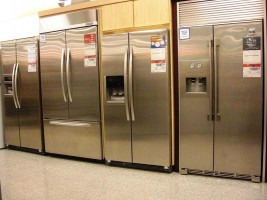
Wikimedia Commons
Today is the feast of Assumption of the Virgin Mary into Heaven, a Holy Day of Obligation in the Roman Catholic faith, and it is also Mother’s Day in Costa Rica as well as in some regions of Belgium. Home appliances are some of the most traditional presents for mothers in Costa Rica on their special day; some of the most popular choices are stoves, refrigerators and washing machines. For appliance retailers, Mother’s Day is an even more lucrative shopping holiday than Christmas or Black Friday, and it presents a great opportunity for shop owners to sell these goods on credit.
The current consumer credit environment in Costa Rica is a great deal for retailers; however, this is not the case for shoppers who are not familiar with the complexity of the lending terms. As it happens, many of the línea blanca (home appliance) items given today as Mother Day’s gifts will cost shoppers twice as much as the sticker price. A visit to the major appliance retailers these days in Costa Rica means having to listen to salespeople pitch several offers to purchase goods on store credit instead of cash; this strategy is bolstered by incentives to the sales staff, whose commissions will be higher when appliances are purchased along with a credit plan.
According to a recent article filed by Tatiana Gutierrez of online news daily CRHoy.com, most shoppers in Costa Rica are not aware of how much they will end up paying for appliances purchased on credit, and retailers are notorious for pitching installment plans that do not benefit consumers at all. For example, an affordable refrigerator with a sticker price of 199.990 colones (about $400) acquired with a credit plan of 41.85 percent interest on a term of 48 months will be set for payments of about $17, which means that the shopper will end up paying $816. Annual percentage rates (APR) higher than 40 percent may seem usurious, but they are actually the norm at appliance stores in Costa Rica; some shoppers may agree to 62 percent just to make sure that mom gets a nice present on her day.
What appliance retailers are aggressively pitching these days are longer repayment periods with higher interest rates; the enticement is to lower the monthly payments at the cost of improving the store’s cash flow and bottom line.
By law, shoppers are allowed to make extra payments for the purpose of positively amortizing their credit purchase, but retailers are failing to inform consumers of this option; this is something that the Ministry of Economy is currently looking into. One of the problems in this regard is the fines imposed on retailers that fail to inform consumers of all their credit rights and options; these penalties are so comically low that retailers have no problem paying them. For this reason, the Ministry will likely introduce legislation to increase the amount of these fines and force retailers to properly inform shoppers.



