


 SIGN UP FOR OUR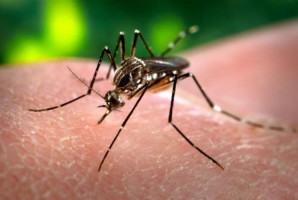
Dengue, Chikungunya, and Zika are spread by the Aedes aegyptie mosquito (Wikimedia Commons)
In the most serious outbreak in the country to date, Costa Rica’s Ministry of Health confirmed on Monday that 11 individuals tested positive for the Zika virus in the central Pacific resort city of Jacó, Puntarenas, which had until now been unaffected by the virus.
The patients include four children: a 3-year-old, a 10-year-old, a 12-year-old and a 16-year-old. The remaining patients range in age between 24 and 45. All cases were contracted indigenously in the area, according to health officials.
Health officials urged the public to be vigilant in removing any areas of standing water around their homes, where mosquitos that spread the virus breed, adding that health officials would also intensify their efforts to remove mosquito breeding sites in the city.
Until the 11 cases in Jacó, there were only 14 known cases of indigenous Zika infection nationwide: 9 cases in the cantons of Carrillo and Nicoya in Guanacaste, and 5 cases in Alajuelita, San Jose.
The outbreak in Jacó brings the total number of indigenous Zika cases in Costa Rica to 25, though health officials are expressing their concern that the number could rise significantly with the arrival of the rainy season this month.
Zika causes microcephaly, a birth defect where the head and brain are abnormally small, but as of yet, researchers don’t know what percentage of pregnant women who get the virus end up delivering babies with microcephaly.
The Zika virus is also associated with a form of paralysis called Guillian-Barre syndrome in both children and adults, which can be fatal.
The Aedes aegypti mosquito that carries the Zika virus is hard to contain. It prefers human blood to that of animals, and is a day-time biter.



