


 SIGN UP FOR OUR
 – Only 5 percent of the tuna caught in Costa Rican waters is hauled in by local boats.

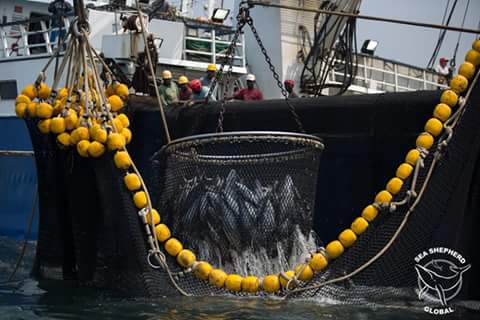
Data from a recent study by the non-profit marine conservation foundation, MarViva, shows Costa Rica lagging behind in the tuna fishery industry, a resource that could aid struggling coastal economies.
“At a time when the fisheries sector is in crisis, the country’s fishing resources must be managed in a scientific and sustainable way, and substantial changes must be undertaken to the tuna policy to benefit national fisherman and guarantee the sustainability of this valuable resource,” said MarViva researchers at a presentation of the study.
The study found that the vast majority of tuna resources are taken by foreign tuna boats, and that the country has outdated management practices reflected in such things as tuna licenses being granted at the same cost as 40 years ago. The study is part of a recently published book by the MarViva Foundation, “Tuna Fisheries in Costa Rica: an Opportunity for Development.”
Costa Rica’s marine Exclusive Economic Zone (EEZ) is 10 times larger than its land mass, said the researchers. This zone, due to Costa Rica’s privileged geographic position where marine currents and upwelling areas converge, includes areas where large schools of tuna concentrate.
Tuna is one of the Eastern Tropical Pacific’s main fisheries resource.
In Costa Rica’s economic zone, an annual 25,000 metric tons of tuna are caught on average through purse seines. Of these, only 7,500 tonnes are brought to shore for use in the domestic tuna canning industry, the rest is taken to other countries by international vessels for processing and sale, said MarViva.
However, found the study, Costa Rica has not been able to take advantage of this wealth and has given priority to fishing fleets from other countries to extract these valuable resources, leaving national boats with a mere 5 percent (1,300 metric tons) of the tuna caught in these waters.
MarViva’s research is in response to the need for economic alternatives for Costa Rica’s coastal population, and seeks to provide a historical perspective on tuna activity in the country and its economic generation. Most important, the book offers proposals that will allow the country to take advantage of this valuable resource and strengthen a national tuna fleet, said MarViva.
Two types of tuna fleets operate in Costa Rican waters: the international fleet which uses purse seines, which are long nets that can be up to two kilometers long and more than two hundred meters deep; and national longline boats, which capture the same amount of tuna in a year as one international vessel hauls in one trip, said the researchers.
“Costa Rica is giving away our fishing wealth, instead of encouraging a national fleet that catches tuna responsibly and markets it as a high quality product in international markets, we allow others to take our resources,” commented Jorge A. Jiménez, scientist and director of the MarViva Foundation.
Management of tuna resources must integrate strengthening the country’s fleet with marketing mechanisms that increase the value of the catch, said MarVivia.
In 2014, the price of canned tuna for canning was around US$1,800 per metric ton, while fresh tuna for export reached an average price of US$5,000 per metric ton. “Our country should opt to enter the fresh tuna market, ” said Jiménez.
“Given the existence of abundant tuna resources and high unemployment rates in coastal communities, the country should strengthen its national longline fleet with economic policies that encourage the sustainable use of tuna,” said Olman Segura, director of the International Center for Economic Policy for the Sustainable Development at the National University (CINPE-UNA).



