


 SIGN UP FOR OUR
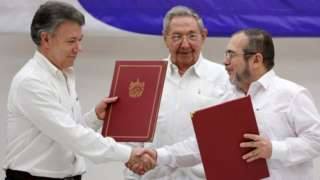
Frank-Walter Steinmeier, Germany’s outgoing Foreign Minister, dedicated his last official visit to Colombia this month to launch the Colombo-German Institute for Peace, or Capaz, its acronym in Spanish.
Colombia’s daily El Espectador interviewed Steinmeier about this institute dedicated to teaching, research and consulting on the important peace process underway in Colombia. Following is an edited, translated excerpt from the recent interview.
Why is Germany interested in creating an institute for peace in Colombia?
We have been actively supporting peace in Colombia for over a decade … and are eager to see the peace agreement prosper. With the Colombo-German Institute for Peace … we will be able to discuss the issues that are important for the implementation of the agreement. This is a time when we must overcome the bloody past and consolidate peace, and deal with issues of transitional justice, conflict management and prevention. The Institute must offer very concrete benefits and technical support
What are the priority areas which Germany will support in this post-conflict era?
We all know how urgent it is to stabilize the situation in conflict areas and to improve living conditions significantly. Although it seems simple, the population should feel that peace is their best alternative. That is why we have committed millions of dollars to the United Nations and the European Union trust fund; we have also helped Colombia with bilateral financial resources, and through projects we have stabilized affected regions, implemented humanitarian aid measures and cleared mines. In addition, the text of the Peace Agreement explicitly calls for Germany’s support in critical areas of victims and special peace jurisdictions. We will do this work with pleasure! I am very pleased that we are deserving of Colombia’s trust in this task. I also interpret it as a great recognition of our commitment.
What are the key elements for building a stable peace in Colombia?
In Germany we learned to face our own history, even its darkest chapters. It is difficult, but essential and worthwhile, since it is the only thing that makes reconciliation possible. In Germany we have the greatest respect, even admiration, for the courage and political passion with which President Santos and many others have faced the peace process in Colombia. I do not think it will be possible to work on a bloody decades-long conflict in a society as diverse as Colombia without the impartially addressing the history of violence and injustice. We all know this will not happen overnight, and after decades of fierce confrontations there will be a long and painful process. It will require a lot of patience and political will. Surely in Colombia they do not need wise advice from outside. I am convinced that Colombian society will now undertake the task with enthusiasm. For this, not only will it be essential to trust the state institutions, but also to integrate people who up until now have not had access to education and employment opportunities.



