


 SIGN UP FOR OUR
By Wendy Anders
An estimated 90 thousand people in Costa Rica’s northern province of Guanacaste don’t know what to do with their trash, said the regional La Voz de Guanacaste newspaper this week.
While existing legislation requires municipalities to collect trash from all residents, none of Guanacaste’s 11 counties provide full coverage for garbage collection services, said the paper.
Carrillo is the least trashiest, with 95 percent garbage collection coverage. In contrast La Cruz, Nandayure, and Nicoya sold waste pick-up services cover less than half of their counties, according to 2016 data from the Comptroller General’s Office, said La Voz.
Costa Rica’s integral waste management law requires municipalities to ensure regular and effective garbage collection for all residents.
The Institute for Municipal Support (IFAM) said their office provides many types of support for local governments to enhance their sold waste management, from helping reduce waste, to attractive financing for equipment or building infrastructure, said La Voz.
“Our credit conditions are very generous, and … we can quickly design and generate an efficient solution for municipalities,” IFAM’s press spokesperson said regarding solid waste in an email to La Voz.
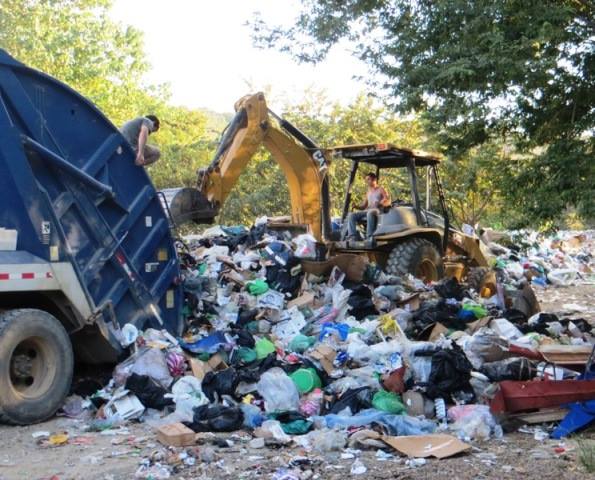
In the meantime, local residents who lack trash pick-up improvise solutions which are damaging to human and environmental health, such as digging open pits that can fill with water and become mosquito breeding grounds, and burning trash which is highly polluting. Most uncollected trash winds up in rivers and on beaches, a very unwelcome site especially to foreign tourists expecting to visit a green, tropical paradise.
Local governments say poor roads limit their ability to provide pick-up for all residents, among other limitations such as broken and insufficient vehicles, limited budgets, and lack of tax payments by locals, according to La Voz.
With two local improvised garbage dumps in La Cruz and Bagaces, Guanacaste (read: vultures, rats, mosquitos, and lots of stench), and one landfill in Santa Cruz, space for waste from the province’s growing population and large seasonal tourist population is limited, continued La Voz.
Finding a solution is complex, but can be done, said La Voz, and it mainly depends on how active citizens are in demanding that things change, and how well they hold local governments accountable.



