


 SIGN UP FOR OUR


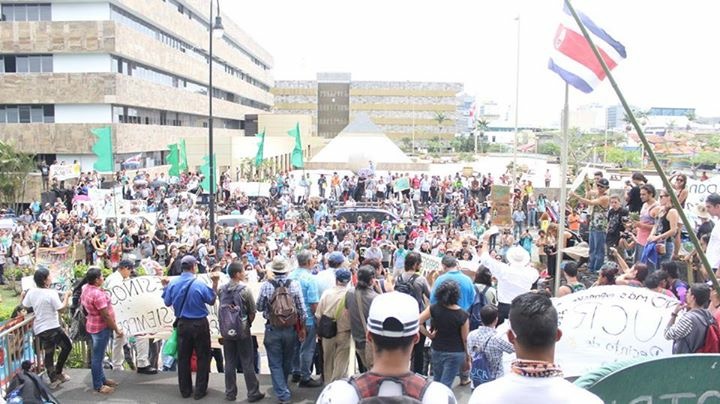
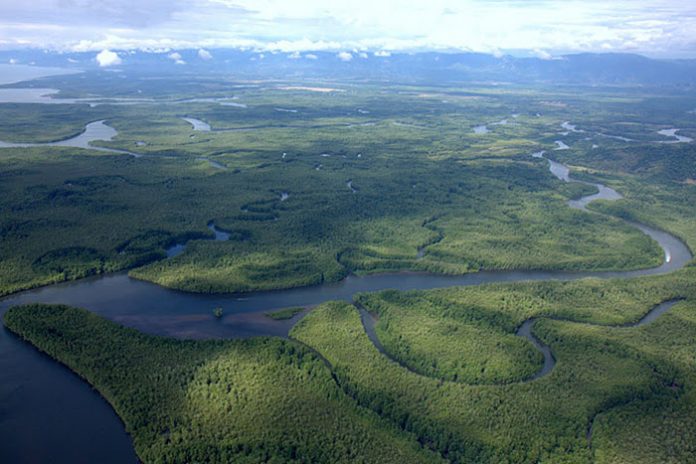


The peaceful gathering and march of over 500 people yesterday in downtown San José centered around the feared negative environmental and human health effects of increasing pineapple production in the southern Costa Rica wetlands area bordering the Térraba-Sierpe National Wetlands.
Their voices were heard by environmental authorities, who today announced a moratorium on any further pineapple expansions in both the northern and southern regions of Costa Rica until further environmental and archeological studies are conducted.
Edgar Gutiérrez Espeleta, Minister of Environment, said he sent a memo to the Environmental Technical Secretariat (SETENA) who had granted permission earlier this year for the pineapple cultivation ordering “An immediate halt to any activity related to the elimination of the vegetation cover of the project area until the SINAC [the National System of Conservation Areas] delimits the wetland areas on those farms.”
The MINAE indicated that the National System of Conservation Areas (SINAC) would conduct a study to delimit the wetland areas on those farms that could be affected, and once they are identified, they would mark those areas off as restricted from cultivation.
Protestors emphasized the importance of the southern wetlands saying the area “Constitutes the largest mangrove habitat in the national territory, and today it is being threatened by the brutality that has sustained the pineapple activity in the country for decades,” according to a statement by protest organizers, the National Front of Sectors Affected by Pineapple Production (Frenasapp, in Spanish)
Marchers went from the National Museum, by the Ministry of Environment and Energy, and wound up in front of the Legislative Assembly, and said they represented “People affected by this harmful agricultural activity, who denounce the social, environmental, economic and health destruction that has deepened in their communities,” according to Frenasapp.
Dozens of organizations were present at the march, and demanded respect for environmental protections as well as for the archeological sites in the southern region.
These points were also taken up by Gutierrez who announced today that,
“With respect to the existence of sites of archaeological value in the project area, the report recommends the immediate stoppage of any movement of soil or preparation of land in the nine sites defined by the Archaeological Survey covering 56 hectares,” and continued by saying, “It will be the National Museum of Costa Rica that will make the corresponding recommendations for the rest of the area, prior to the beginning of the sowing activities in the areas identified.”



