


 SIGN UP FOR OUR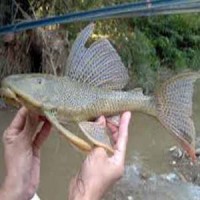
Source: Fuerza Publica
Fuerza Publica officers assigned to Operation Save our Gar in the Chorotega Region of Costa Rica have been busy confiscating fish and rescuing turtles from the nefarious hands of poachers. They are even getting lessons in marine ecosystems as they were surprised to find odd-looking fish that should be swimming in the Amazon river in South America, not in Costa Rica.
It all transpired earlier this week when Fuerza Publica officers conducted security patrols of the Cano Negro National Refuge. Officers patrolled section of the almost 10,000 hectares between the Los Chiles and Guatuso cantons in the northern region of the Alajuela province. These officers are protecting a living fossil: El Pez Gaspar (gar fish). On Sunday, May 27th, the officers involved in Operation Save our Gar were relaxing at night when they got the call from border guards who noticed an individual acting suspiciously. The officers intercepted the suspect carrying a sack full of squirming fish and other aquatic species.
The identity of the poacher, a 38-year old man who lives in the community, was reported to authorities from the Ministry of Environment (MINAE) who are also assigned to Cano Negro. When inspecting the confiscated evidence, Fuerza Publica counted several gar fish, six turtles, and three curious-looking peces diablos (similar to Hypostomus plecos). This is a species that grows larger than the common sucker fish sold by aquarium shops, and is native to the Amazon River. It thrives in fresh and brackish water ecosystems. MINAE officials were surprised at the finding and believe that the species may have been transplanted from the Great Lake of Nicaragua. All species confiscated by Fuerza Publica were returned to their habitats.
The value of the gar fish to the communities of Cano Negro was explained in detail as part of the Innovations in Sustainability series published by The Costa Rica Star earlier this year.
The communities surrounding the Cano Negro National Refuge in the northern zone of Costa Rica are very protective of their beloved Atractosteus tropicus, the unsightly gar fish. Gar is integral to the mostly indigenous Maleku community. In the Cano Negro refuge alone, there are more than 300 bird species, 78 mammals, and more than 300 fish. Of all the fish in the region, gar is one of the most voracious predators, and yet it is essential to the ecosystem.
The gar is jealously protected now. Healthy and stable counts of gar in the waters of Cano Negro makes the area look prettier, which in the end attracts more ecotourists and sport fishermen who engage in catch-and-release tournaments, and who respect the limit of gar they can take home. There is now a fishing season for gar in the area, and it is heavily enforced. Ongoing research on the biochemical makeup of the gar scales may soon yield a formula for organic fertilizer that the community can manufacture and sell.
Operation Save our Gar is part of the community’s response against irresponsible fishing and poaching in Costa Rica.



