


 SIGN UP FOR OUR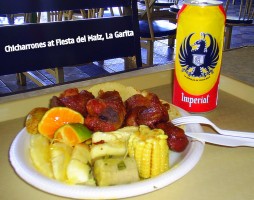
They are traditional, delicious and chock-full of low density lipoprotein (LDL) cholesterol. We are talking about chicharrones (fried pork rinds), and in Costa Rica they are associated with Christmas, the end-of-year holidays, town fair celebrations, block parties, and virtually anytime friends gather at bars. It is estimated that each portion of chicharrones (one medium-sized pork rind) contains 10 mg of fat and 40 mg of LDL (bad) cholesterol. Unfortunately, chicharrones in Costa Rica are scrumptious and associated with a good time.
Although chicharrones can be found just about anywhere in Costa Rica, they are predominant in the rural areas of the Central Valley. A few communities are usually to be at the culinary forefront of chicharrones in Costa Rica: Aserri, La Garita in Alajuela and, most importantly, Puriscal; after all, this is a canton that once a year dedicates about ten days to all things porcine.
At the annual Feria del Chicharrón (Pork Rind Fair) in Puriscal more than 4,000 kg of chicharrones are prepared each year between early November and late December. The unofficial motto of this activity is “No Fear of Cholesterol.” Although Puriscal has always been known for its quality pork products and excellent chicharrones, it wasn’t until the late 20th century that cantonal and tourism representatives decided to promote a fair at the national level. Besides delicious chicharrones, the fair features many family-friendly activities such as games, clowns, music, etc. And there are healthier meal options such as olla de carne (traditional beef broth with tons of vegetables), but the fact is that most Ticos who attend the fair go there for the chicharrones.
What makes the pork rinds in Puriscal better than in other places? Just about all kitchens in Costa Rica follow the recipe below, but the key seems to produce quality pork cuts by raising pigs in an environment where they can thrive, to allow them to eat freely from the local vegetation in addition to their feed, and to not slaughter them too young.
The traditional recipe for chicharrones in Costa Rica is quite simple. Here’s what Chef Gustavo Villalobos of the World Association of Chefs Societies contributed to premier culinary publication Sabores:
- 2 kg of pork meat (between the hide and ribs)
- 1 kg of manteca (can be shortening from pork fat, but vegetable shortening with added onion and garlic flavor is preferred)
- 1 head of garlic
- 1 teaspoon of salt
- 1/4 cup of water
Cut the pork meat into 1-inch cubes, warm the manteca and carefully place the cuts so that they are submerged. Wait until the cuts are brown and gold in appearance. At this point, it is safe to add the whole head of garlic.
The next step can be dangerous: after dissolving the salt in water, it should be very carefully and slowly added to the chicharrones; this will ensure that they become crunchy and taste like glory, but there’s a strong chance that the hot oil will splash around when the water is introduced. Keep your distance and use the lid of the pan as a shield, and go very slowly. What is even better is to go somewhere with family and friends to enjoy chicharrones, which are delicious when served with tortillas, yucca and green plantains, a touch of hot sauce, a dash of lemon juice, and an ice-cold Imperial.



