


 SIGN UP FOR OUR
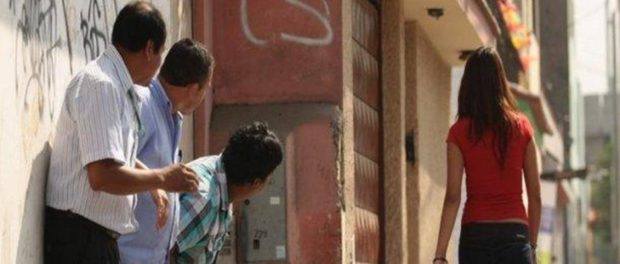
This week Maureen Clarke Clarke, National Liberation Party legislator made a strong statement in the digital Costa Rican news outlet Elmundo.cr, saying, “Public transportation in Costa Rica is one of the biggest arenas of sexual violence against women.”
She criticized the Solís administration for “not seeming to care,” about the situation which negatively impacts women’s quality of life and impedes their ability to freely move about and enjoy public spaces in Costa Rica.
With victims – mainly young – too shaken to file complaints out of fear or believing the “system” won’t do anything for them, Clarke said it is up to the state to take immediate action to ensure safe and harassment-free public transportation for women.
According to the Second State of Women’s Human Rights published in 2015 by the National Women’s Institute (INAMU, its initials in Spanish), eight out of 10 women have had catcalls directed at them, and six out of 10 have received unsolicited comments by men about their body or way of dressing.
She asked, whether, in the wake of nearly daily reports of harassment and assaults upon women, “Is it so difficult for the public transport authorities to work hand in hand with the INAMU to promote concrete solutions to this problem?”
Citing examples in other Latin American countries, Clarke exhorted the government to implement specific strategies to ensure women’s safety and peace of mind when walking on the streets or riding public transportation.
“Why collect data if we do not use it to impact and improve reality?,” asks Clarke, who said that women need to be clear on what to do in these cases, and there should be offices nearby to receive their complaints, and police protocols to provide adequate attention to victims.
She pointed to Quito (Ecuador) where a successful program called “Cuéntame” (“Tell me”) encourages women to file complaints, and provides psychological support to victims of sexual harassment in the public transportation system.
The program, said Clarke, is part of the global Safe Cities for Women and Girls initiative of the United Nations.
In Bogotá, Colombia, an elite female police squadron tracks down men who have acted in sexually explicit or sexually inappropriate ways on the metro, said Clarke. And, another possible strategy to imitate is one in Mexico City called “Let’s Travel Safe” aimed at eliminating sexual harassment on public transportation.
“If mass campaigns were established to warn of the consequences of acts of harassment in public transportation, our reality would change radically,” said Clarke who urged the country’s leaders, “To implement preventive campaigns,” and work to reeducate men on their identity and masculinity.



