


 SIGN UP FOR OUR
 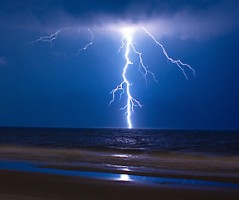 Two weeks after eight people were rushed to the hospital due to lightning strikes at the main airport of Costa Rica, tourists visiting the Fraijanes lakes sector of Alajuela were also affected by a strong discharge of atmospheric electricity.
The incident, which was reported on Saturday by Roger Soto of daily tabloid Diario Extra, took place in the early afternoon hours. A man and a woman were enjoying the view at a scenic lake and forest spot that is very popular among domestic tourists in Costa Rica. Witnesses explained that the ground lightning strike was sudden and without warning; the couple fell down and suffered burns as well as lacerations on their legs.
Volunteer rescuers from the Red Cross rushed to the scene. The tourists were shaken but stable; they were taken to the San Rafael Hospital near downtown Alajuela, where they were treated and released hours earlier.
The weather was not particularly stormy; in fact, it seemed as if the customary afternoon rainstorm of the green season was delayed. However, a cold front stirred by recent hurricane activity in the Caribbean has been causing flash rainstorms in the Central Valley of Costa Rica.
In 2012, a single thunderstorm in Costa Rica produced a little over 0.11 percent of the average daily global lighting strikes in just two hours. That impressive storm soaked great portions of the Central Valley and delivered 2,000 lightning strikes, frying household appliances and electronics and stirring fear in the hearts of dogs affected by canine astraphobia (fear of thunder, lightning and storms in general).
Forecasters of the National Weather Service in the United States estimate the number of lightning occurrences in the world at about 100 per second, although only 20 percent of them are estimated to hit the ground. The majority are cloud lightnings; the booming ground strikes, such as the one that sent the aforementioned couple to the hospital, are estimated at about 1,728,000 per day.



