


 SIGN UP FOR OUR
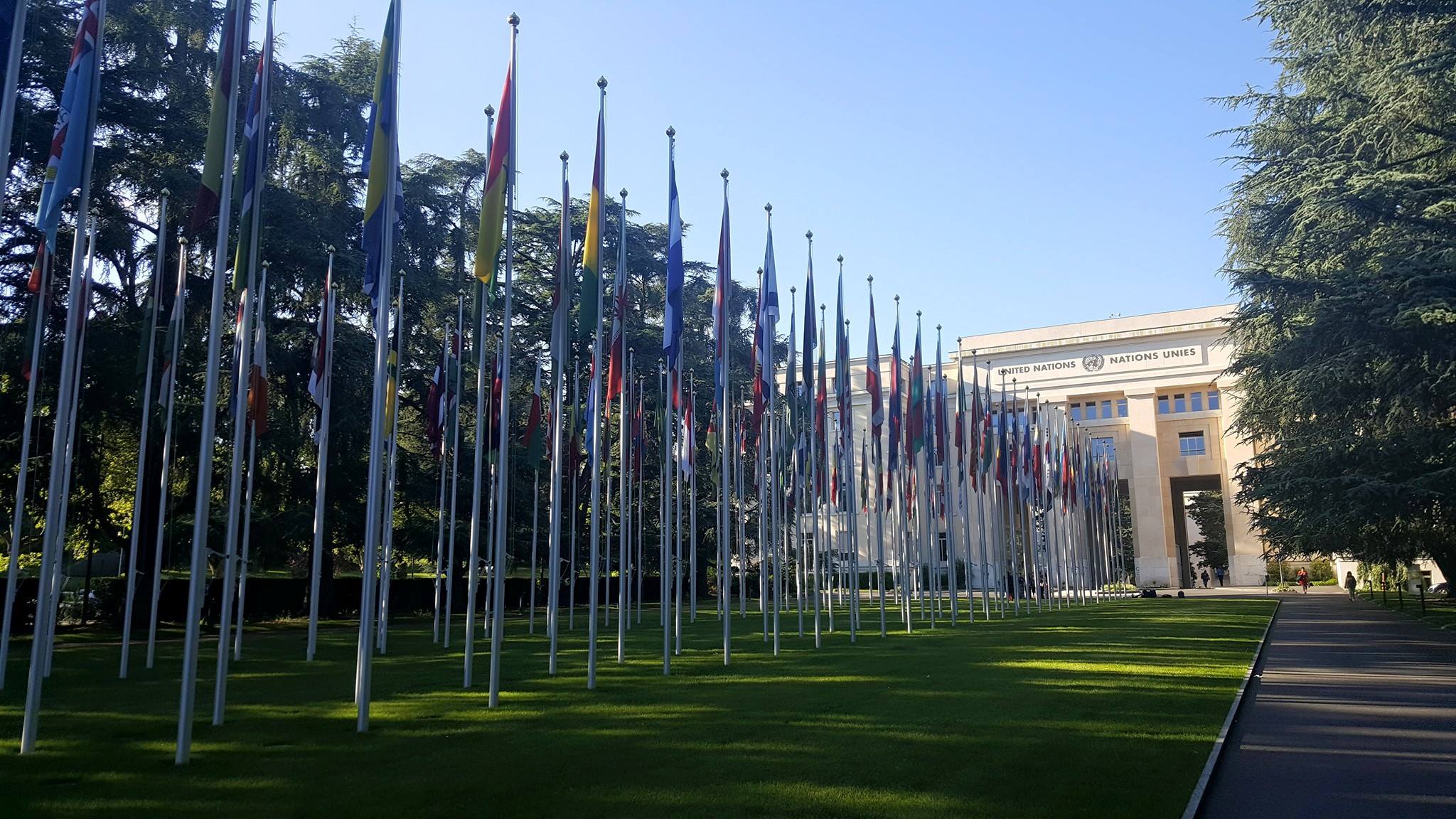
The concluding observations on the seventh periodic report of Costa Rica by the UN Committee on the Elimination of Discrimination against Women (CEDAW) were released yesterday.
The Committee considered the seventh periodic report of Costa Rica at its 1508th and 1509th meetings held July 7, 2017 in Geneva.
The Committee commended Costa Rica’s high-level delegation headed by the Minister of the Status of Women and Executive President of the National Institute for Women Alejandra Mora Mora. The delegation also included representatives of the Ministry of Labour and Social Security, the Gender Commission of the Judicial Power, and the Permanent Mission of Costa Rica to the United Nations Office, and other international organizations in Geneva.
The Committee welcomed the progress achieved in Costa Rica since the UN’s 2011 combined fifth and sixth periodic reports. In particular, the Committee noted the adoption of the following legislative reforms has been positive for women’s rights:
- Law No. 9406 (October 24, 2016): Strengthening the Legal Protection of Girls and Adolescent Women against Gender-based Violence and Abusive Relationships (Ley de relaciones impropias) that criminalises sexual relations with girls under 15 years, and prohibits marriage of girls and boys under 18 years of age;
- The Labour Procedure Reform of January 2016 prohibiting gender-based discrimination;
- Law No. 9095 against Trafficking in Persons establishing the National Coalition against Migrant Smuggling and Human Trafficking, in 2013; and
- Amendments to the Domestic Violence Act (Law No. 8589) defining the crime of abuse, as well as the amendments to the Criminalization of Violence against Women Act (Law No. 7586) expanding protection order in cases of sexual abuse and services of accompaniment and legal advice for victims, in 2011.
The Committee also acknowledged Costa Rica’s efforts to improve its institutional and policy framework aimed at accelerating the elimination of discrimination against women and promoting gender equality, such as the adoption of the following:
- The National Violence against Women and Domestic Violence Care and Prevention Policy 2017-2032 addressing different forms of gender-based violence against women, including harassment in public areas;
- The National Policy to Combat Human Trafficking and Strategy Work Plan for the National Coalition to Combat the Illegal Smuggling of Migrants and Human Trafficking (2016-2020);
- The Third Action Plan of the National Policy on Gender Equality and Equity 2015-2018, providing for specific measures to prevent teenage pregnancy and introducing scholarships for victims of gender-based discrimination;
- The National Support Network for the Social and Economic Empowerment of Women fostering women’s entrepreneurship, in 2014;
- The National Programme for Women who Face Criminal Sanctions adopted by Executive Decree 38139-JP, providing for the protection of women by the penitentiary system; and
- The Programme on Gender Equality and Equity at Work aimed at promoting women’s entry into the labour market and committing private companies to gender equality, in 2013.
The Committee also welcomed the fact that, in the period since 2011, Costa Rica has ratified or acceded to the following international instruments:
- The Optional Protocol to the Convention on the Rights of the Child on a communications procedure, in 2014;
- The Optional Protocol of the International Covenant on Economic, Social and Cultural Rights, in 2014;
- The International Convention for the Protection of All Persons from Enforced Disappearance, in 2012; and
- ILO Convention No. 189 (2011) concerning Decent Work for Domestic Workers, in 2014.
The Committee report stresses the crucial role of the legislative power in ensuring the full implementation of the Convention by taking the necessary steps regarding the implementation of the present concluding observations
The principal areas of concern reported by the Committee include the following:
- Access to Justice: The Committee notes that mechanisms such as Amparo allow women to claim protection of their rights and welcomes the establishment of alternative dispute resolution centres free of charge. Women’s often limited access to justice is of concern, as are the limited coverage of the legal aid clinics and the Bar Association’s advocacy services.
- Politica mechanisms for women’s advancement: The limited role of the National Gender Unit Network in the implementation and monitoring of public policies on gender equality such as the National Policy on Gender Equality and Equity (PIEG); and the lack of clear authority, mandate and expertise of the Municipal Offices for Women’s Affairs to adequately address women’s human rights at the local level, were two of the main concerns in this area.
- Special measures for vulnerable women: The Committee notes with concern the limited information about temporary special measures to achieve substantive equality of indigenous, Afro-descendant, migrant, refugee and asylum-seeking women, female heads of households and women with disabilities who face intersecting forms of discrimination.
- Stereotypes and discriminatory practices: The persistence of discriminatory gender stereotypes about the roles and responsibilities of women and men in the family and in society; stigmatizing and derogatory political statements and public campaigns targeting women in political and public life, including women human rights defenders; the persistence of discriminatory gender stereotypes and sexist portrayals of women in the mass media and in advertisements; and the negative influence and advocacy by men and father rights’ groups undermining the recognition of women’s human rights, particularly equality in family life.
- Gender-based violence against women: The persistence of different forms of gender-based violence against women, in public and private spaces, and the low conviction rates compared to the high number of complaints received; the large number of reported cases of sexual harassment of women in public places and public transportation, among other concerns.
- Trafficking and exploitation of prostitution: The Committee notes with concern that Costa Rica is a country of origin, transit and destination for trafficking in persons for purposes of sexual exploitation and forced labour, as well as the heightened risk of sex-trafficking for women and children in the Pacific coastal zones, and for transgender persons and migrant women and girls; and the low number of prosecutions and convictions of traffickers and shortcomings in the victim identification procedures.
- Participation in political and public life: The Committee notes with concern the decrease in the representation of women in the Legislative Assembly, he decrease in the representation of women in the Executive branch particularly the number of women appointed as ministers, as well as the low representation of women in decision-making positions in the judiciary and at the municipal level, where less than 14 percent of women are mayors; and the underrepresentation of women on boards of private companies.
- Employment: The committee remains concerned about the persistence of occupational segregation and the concentration of women in low-paid jobs, as noted in the previous report, and the significant gender wage gap; the high unemployment and self-employment rates among women and the overrepresentation of women in the informal sector of economy and the limited of social protection schemes for women engaged in it; and the discretionary granting of paternity leave by employers, in the absence of legislation providing for paternity leave entitlements.
- Health: The Committee notes with concern the criminalization of abortion in cases of rape, incest or severe fetal impairment, and the inaccessibility of quality post-abortion care; the delay in the adoption of technical guidelines for therapeutic abortion leading to unsafe abortions; barriers to women’s and adolescent girls’ access to modern forms of contraception, including emergency contraception, in particular in rural and remote areas; reports of obstetric violence against women in connection with childbirth services, in particular affecting indigenous women who are obliged to follow protocols incompatible with their cultural background; and the inaccessibility of in vitro fertilization for women in the public health sector due to delay in the implementation of legislation authorizing its application.
In all of the above areas, the report also provides detailed recommendations on steps to be taken by the Costa Rican government and its institutions in order to improve on women’s rights. Details can be found at this link with the full report.
The report also presented the challenges faced by rural, indigenous, Afro-descendant, migrant and refugee women, along with recommendations for actions.



