


 SIGN UP FOR OUR
 By Wendy Anders
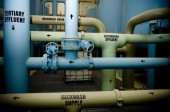
Wastewater treatment system in Costa Rica, source Aya.
The Costa Rican Ministry of Health, in partnership with the Ministry of Agriculture and Livestock and the Ministry of Finance seek to mitigate water pollution and improve the quality of wastewater.
As an incentive for the creation of more domestic and/or industrial treatment plants, the institutions announced yesterday a new regulation that would exempt taxes on building materials for the construction of wastewater treatment plants.
As of 2015 21 percent of all Costa Rican households were connected to a sewer system, according to the Water and Sewerage Institute (AyA, in Spanish). However, only 15 percent of the collected sewerage is being treated, meaning the vast majority of collected wastewater is discharged into rivers and the sea without any treatment, generating public health risks and water resources contamination. As of 2007, only 7 small towns had wastewater treatment plants, all of which had been built before 1975, said Wikipedia. This year, San José saw the inauguration of its first urban wastewater treatment plant in La Uruca.
The new regulation announced this week (Decree 40.013-H-MAG-S) names the Ministry of Health as the entity in charge of recommending the tax exemptions from the Ministry of Finance on behalf of interested builders.
Parties wishing to develop such projects and apply for the exemption must present the construction plans for the wastewater treatment system following the Ministry of Health guideline; submit a notarized report on the type of project, processes, operations or equipment to be used in the removal of pollutants, and the type of materials, equipment and supplies to be used (quantity and detail of each).
Applicants must be up to date with their taxes and payroll deductions. More details can be found at the Ministry of Health’s website.



