


 SIGN UP FOR OUR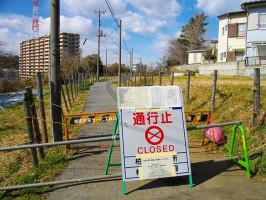
“Radiation hotspot in Kashiwa 2012” by Abasaa – Own work. Licensed under Public Domain via Wikimedia Commons
Radioactive water has been leaking from the damaged Fukushima nuclear plant following damage caused by Typhoon Etau. The plant’s drainage system has been inundated by a surge of sea water brought in by the typhoon, which reached Japan on Wednesday. A spokesperson for TEPCO, the company that runs the plant, yesterday said they were investigating the leaked water but it did not present a significant danger.
This comes after authorities in eastern Japan ordered over 100,000 people to leave the area as a precautionary measure as the typhoon proceeded to flood the town of Joso. Up to 25 people were reported missing and at least three are dead as a consequence of the flooding. Hundreds of thousands more people in the region have been encouraged to evacuate as well. Rescue efforts are being hampered by the floods, with some people being plucked from roofs and cars by teams in helicopters.
The Fukushima nuclear plant was damaged after a huge earthquake and tsunami in March 2011. As recently as April this year there were concerns about leakages as a result of electrical problems with water pumps that caused contaminated water to escape into the Pacific Ocean; this was previously reported by The Costa Rica Star:
A small quantity of radioactive water has leaked from a storage tank at Japan’s tsunami-crippled Fukushima Daiichi nuclear power plant, Tokyo daily Asahi Shimbun reported Saturday.
A worker at the facility, located in northeastern Japan, found a wet patch measuring 20 sq. centimeters (3 sq. inches) under a storage tank for radiation-contaminated water on Friday morning, Tokyo Electric Power Co. the plant’s operator, said.
Seventy microsieverts per hour of beta-ray-emitting radioactivity, far exceeding the recommended maximum exposure of 0.11 microsieverts per hour, were detected on the surface where the water had leaked.
Workers placed sandbags around the tank to prevent the radioactive water from spreading to other areas, the newspaper said.
A large volume of water used as part of the cooling mechanism before the reactors were damaged has since been stored in numerous steel drums.
Source: WikiNews



