


 SIGN UP FOR OUR
 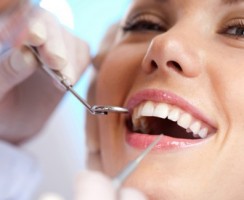 Many dental patients are not fond of regular checkups; they mostly go to the dentist once a year for a cleaning or when they know they need a major procedure done. It so happens that regular dental appointments scheduled three or four times a year can substantially improve overall health by means of prevention.
Bacteria mitigation is at the heart of all dental cleanings. Through salivation and other oral processes, the mouth filters out astonishing amounts of bacteria; however, the pathogens that accumulate in the teeth, tongue and gum tissue must be handled through daily oral hygiene plus regular visits to the dentist.
Mouth bacteria that gets through other organic structures of our bodies can exacerbate conditions such as Alzheimer’s disease, osteoporosis, diabetes, and heart disease. At the Flikier Institute of Dental Health in Costa Rica, odontology professionals constantly evaluate their patients for signs of gingivitis (gum disease). Inflamed gum tissue often indicates the beginning of gingivitis, which is a periodontal condition that has the potential of creating major health issues.
Gum tissue tends to be very resilient; however, such is not the case with the bone structure that makes up the jaw, which is connected to the cranium. A severe case of gingivitis can result in bacteria building up in the bones and traveling upwards to the brain and downwards to the heart and other organs. Gum tissue disease can turn into a serious medical condition, but it can be treated with periodontal strategies. Periodontics is a dentistry specialty that deals with diseases of the gums and other structures around the teeth; in Costa Rica, the Flikier Institute is known for its expertise in periodontal care and rehabilitation.
Another good reason to visit the dentist often is for oral cancer screening. In the United States, the American Dental Association estimates that more than 35,000 cases of oral cancer are diagnosed each year. During a dental checkup, dentists look for lesions and lumps that may suggest oral cancer, a condition that must be intervened at its earliest stage.



