


 SIGN UP FOR OUR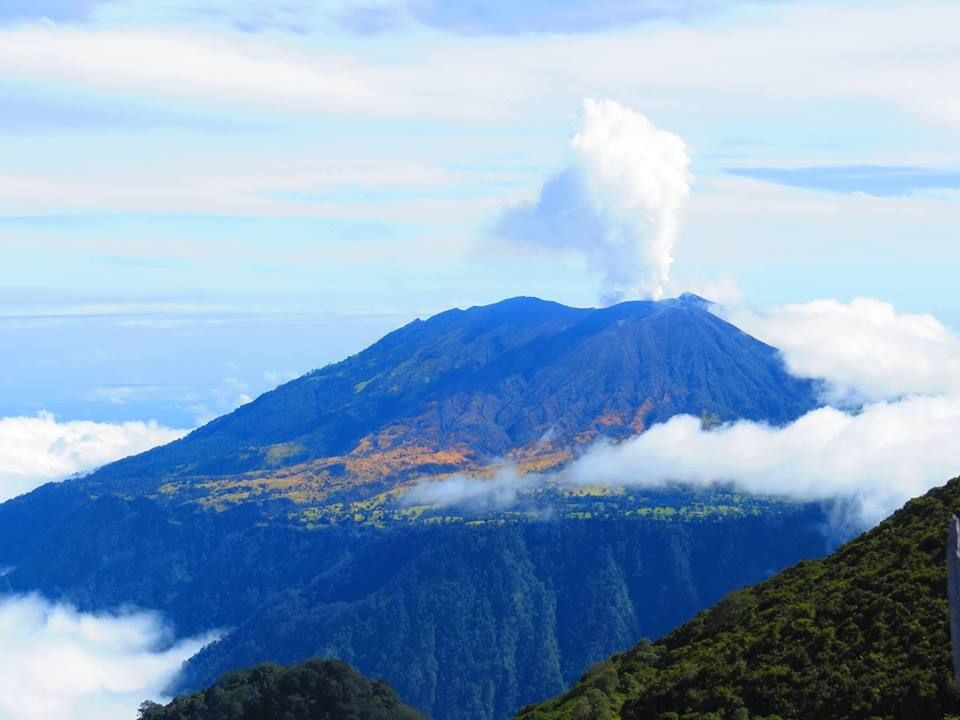
Source: RSN
Officials from the National Committee on Emergencies (Spanish initials: CNE) are concerned about an increase in the number of tourists who are still trying to summit the crater of the Turrialba volcano, currently the most active in Costa Rica.
In early November, the CNE announced that a number of measures will be taken to prevent this dangerous trend, particularly since in recent weeks the Turrialba volcano, located in the province of Cartago, has intensified its activity.
The Turrialba Volcano National Park has been closed to tourists for over a year. The park has been under a yellow alert after a series of eruptions that have dumped ash all over the Central Valley, and which also caused closures of the main airport in Costa Rica, suspension of classes at public schools, and farming losses. The park is closed to anyone except park rangers, emergency officials and geologists.
In a recent news report broadcast by Esteban Aronne of Radio Monumental 93.5 FM, a park official explained that unauthorized volcano tourists have breached the security protocols around the volcano in the hours before sunrise, and they have been spotted by rangers and the network of security and research cameras near the crater. Reina Sanchez, director of scientific outreach at the Turrialba volcano further explained that the two security perimeters are located two and five kilometers away from the crater.
Local tourism operators have complained that business has slowed down considerably since the spectacular eruptions first occurred a year ago and the months that followed. To this effect, CNE officials have gone public to explain that the dangerous, active crater is not the only tourism attraction in the region.
The Turrialba community is ready to welcome tourists interested in rural, adventure and cultural tourism. Dairy farms, strawberry and coffee plantations, and cheap restaurants are some of the main draws along with rivers ideal for whitewater rafting. The nearby Guayabo National Monument also offers a glimpse at pre-Columbian indigenous culture.



