


 SIGN UP FOR OUR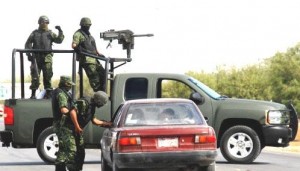
Mexican Soldiers at Checkpoint in 2009. Source: Wikimedia
Drug trafficking operations in Mexico are estimated to launder $10 billion each year, according to a report issued by the country’s Legislative Chamber in coordination with the U.S. Drug Enforcement Agency (DEA).
The alarming figure was calculated in a report from Mexico’s Treasury Department, which detected a surplus of funds in the overall financial system of that nation. That surplus can be attributed to money laundering, according to the report. National newspaper Milenio also cited estimates by the DEA, which range between $9B and $10.2B at an annualized rate. The name of the report is “Money Laundering: Indicators and Actions of Joint Nations.”
The study was commissioned for consideration of Mexican legislators who will soon consider passing a new proposal titled Prevention and Identification of Operations Financed with Illegal and Terrorist Funding Sources. The United States estimates that up to $29B flow from their country to Mexico from the illicit proceeds realized by cartel operations. Other estimates by the DEA indicate that about $65B are transacted each year on drugs, and that their own law enforcement operations only manage to intercept $1B.
The Milenio newspaper also cited other figures provided by non-governmental sources. These sources stated that 90 percent of money laundering is conducted in the United States, and that a third of gross profits from the cartels enter the regular economy. Two thirds of the gross profits are either reinvested or end up in the shadow economies of both North American countries.
The provider of these figures is “No Money Laundering”, an American non-profit that estimates $39 billion are laundered each year outside of U.S. borders.
Shortly after news of the report, Gabriel Quadri de la Torre from the Nueva Alianza, a presidential candidate, called for an open debate to legalize and sanction the use, transport and trade of some drugs in Mexico. Mr. Quadri made clear that he supports the fight against cartels, but that drug use has reached levels similar to tobacco and alcohol and should be treated as such.
Costa Rica’s President Laura Chinchilla has indicated that she is open to debate the issue of a possible decriminalization of drug use in Central America, a position that it is not shared by the administrations of El Salvador, Honduras and Nicaragua.
Source: El Universal and Terra Noticias



