


 SIGN UP FOR OUR
 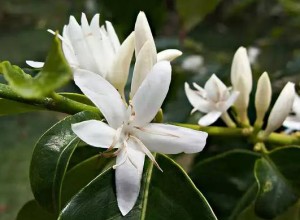 From afar, they look like snowflakes accumulated on the coffee plants. Up close, you see the small white flowers and smell the strong perfume. Coffee blossoms put a smile on farmers, growers, exporters, and commodities traders. This time the blossoms are early, thanks to premature spring rains that have fallen on the fields.
The early blossoms signal a good start for the harvest later this year, which will continue well into next year. Some of the rains fell during nighttime on the coffee farms located on the skirts of the Poas volcano. Reports from the Monte Azul mountain boutique hotel near the Chirripo indicate that the rains have fallen late in the afternoon, prompting blossoms a few days later.
Coffee exports in Costa Rica have grown by 10 percent during the first two months of the year. The early blossoming could put more money in the pockets of growers and exporters thanks to other global coffee production factors. The International Coffee Organization is upgrading production around the world, which only means more competition for Tico growers. Brazil remains the world’s top producer of coffee, and Costa Rica enjoys a comfortable image as an exporter of quality roasts, but that could soon change. India and Peru are expected to produce 5.2 million bags of coffee this year, placing those two countries ahead of Costa Rica in terms of production volume.
The forecast for Costa Rica and the rest of Central America is pretty good this year, particularly since Tico coffee farmers are reporting that their crops are adjusting well to the climate change phenomenon. The extended periods of rain last season did not drown as many plants as expected, and lots of plants recovered well.
Another reason for optimism among coffee growers in Costa Rica is the increased attention being given to the world’s most precious agricultural commodity. According to Catholic Online, coffee will have a strong focus at the World Expo in 2015, to be held in Milan, Italy, as it stands to compete against oil in terms of demand.



