


 SIGN UP FOR OUR
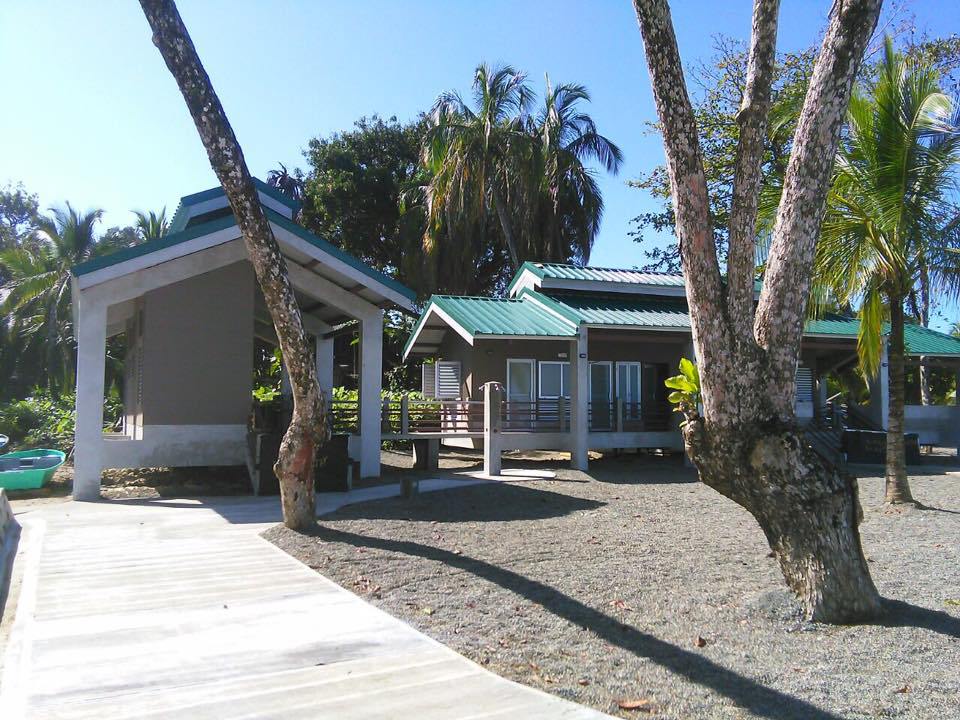
With the purpose of improving the visitors’ experience and encourage them to visit the forest, wetlands, beach, coral reefs, and the lively afro-Caribbean culture , new infrastructure was built in the Cahuita National Park, both in the sector of Puerto Vargas, and the community of Cahuita.
The work done in Puerto Vargas includes the construction of new restrooms and showers, the reconditioning of the parking areas, the improvement of basic services such as access to electricity and water and the construction of two trails that will allow better access to the forest areas.
In Cahuita, the work involved the construction of touristic facilities, an operations center, bathrooms and open air waiting areas for the access to Cahuita National Park.
President Luis Guillermo Solis, the First Lady Mercedes Peña Domingo, and representatives of the Ministry of Environment and the National System of Conservation Areas (SINAC) inaugurated the new facilities during their work visit to Limon province.
The financing of this work came from the Sustainable Tourism program that was signed by SINAC and the Interamerican Development Bank; the total cost of the projects was close to $1.8 million USD; the construction works began in April of 2016.
“The improvements in the infrastructures was necessary for a park that receives almost 100 thousand visitors a year, but the most important part of this project has been the process of involving and training people of the close-by communities. These people have received training by the National Learning Institute (INA) and are now duly certified by the Costa Rica Tourism Board to help and provide service to the visitors, and also care for the natural resources”, expressed President Luis Guillermo Solis.
The Cahuita National Park is located in the South Caribbean region of Costa Rica, in the province of Limon. Its created as protected area took place in September 1970 as a National Monument and in 1978 it was declared National Park; it covers an area of 1102 hectares of land and 23,290 hectares of sea, of which 600 hectares correspond to coral reef.
The biological diversity contrasts with the cultural diversity of the region, since the Park is located on one of the most culturally diverse areas of the country, 65% of the indigenous population lives in the county of Talamanca; the area is also home to other ethnic groups, among them, afro-caribbeans, European immigrants, Asians and Central Americans.



