


 SIGN UP FOR OUR

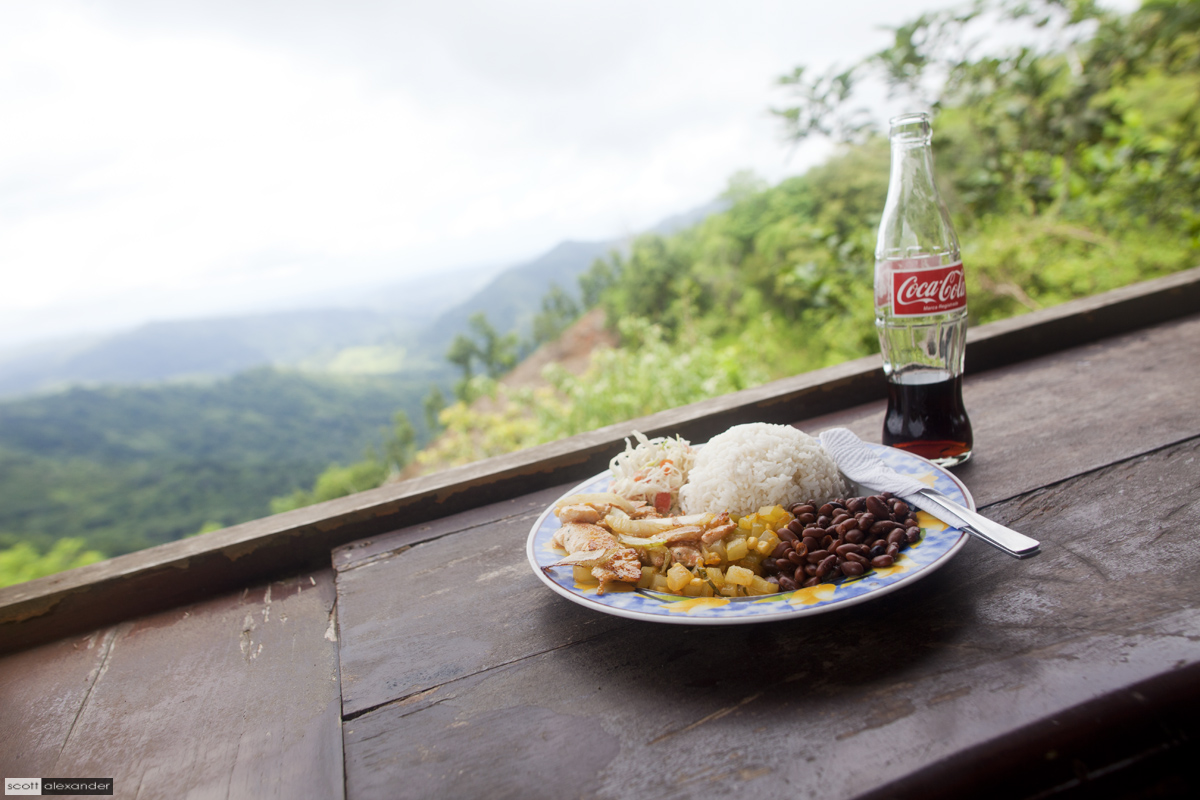

This week, Costa Rican public health officials are launching an “intense information and education campaign … with the goal of having Ticos incorporate in their daily diet more salads and fruits, water as a main drink, use weekly meal plans, and internalize the concept of a ‘healthy plate’,” said the Costa Rican Social Security Agency (CCSS).
The most comprehensive data on obesity shows a 275 percent increase in weight on average over the past 40 years in Costa Rica, according to the Universidad Hispanoamericana study, ”Trends in the Body Mass Index in Costa Rica from 1975 to 2014.”
The CCSS campaign aims to reach a large part of the country with their messages, starting this Friday at the Monseñor Sanabria Hospital in Puntarenas with free, public nutritional consultations, and abdominal circumference measurements, a simple technique for determining heart disease risk.
The UH study found that in 1975, 50.7 percent of Costa Ricans had a normal body weight. By 2014, only 34.4 percent did; meaning 40 years later, a third fewer Costa Ricans have a healthy weight. Women have experienced significantly more weight gain over the years than men.
The CCSS’ shift to prevention and education may be too little, too late, as instilling healthy habits can take years. The agency said they will take their campaign next to the Max Peralta Hospital in Cartago, the San Vicente de Paúl Hospital in Heredia, and medical centers in Guápiles, San Carlos and Ciudad Neily.
The agency’s healthy plate concept intends to change Ticos’ approach to diet by having people prepare and eat a plate of food in which half is filled with salads and fruits, a quarter filled with a meat or fish portion, and a quarter is filled with carbohydrates such as rice, beans, plantains, pasta, yucca, etc.
In addition, drinking water as people’s main beverage is one of the primary campaign messages.
The UH study determined that the sharp increase in overweight and obesity in Costa Rica is contributing decisively to the country’s shift to chronic non-communicable diseases as the leading cause of morbidity and mortality, as is true in most developed countries.
Researchers said they decided to undertake the study when they noted that Costa Rica’s obesity rates were consistently higher than global levels.
Cutting back on plantains and rice might allow the public health system to cut back on burgeoning costs as well.



