


 SIGN UP FOR OUR

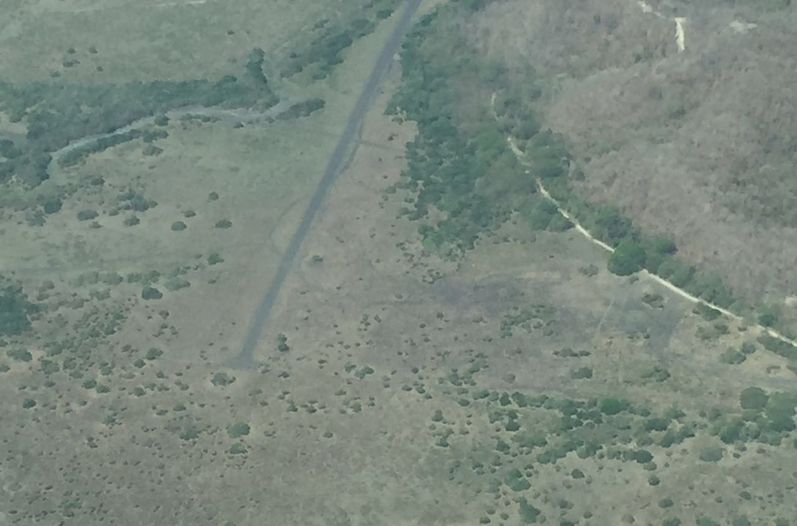
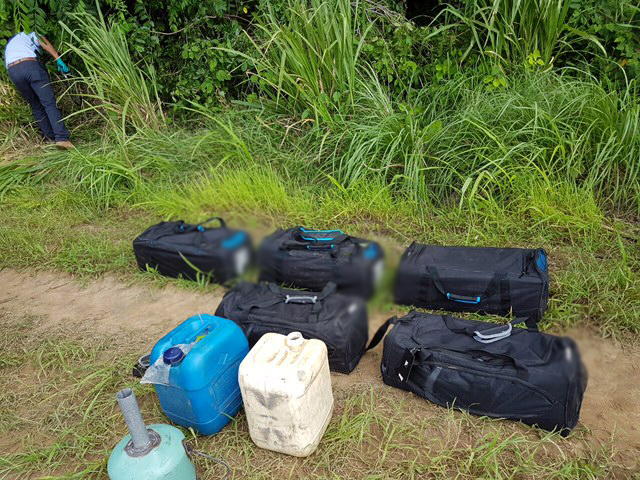
Biologists wanted to find out whether drug trafficking, in addition to drug cultivation, might also affect deforestation.
Noting that Central America as a region has had a net loss of forest cover over the past decade, while other parts of Latin America have slowed their forest loss, researchers wondered if the growing presence of illicit drugs had any role to play.
Central American countries are prime narco trafficking routes due to their location in between South and North America, a reality which became accentuated in the early 2000s after aggressive U.S. drug interdiction efforts in the Caribbean and Mexico shifted the drug trade there.
According to the United Nations, “Roughly 86 percent of the cocaine trafficked globally moves through Central America on its way to consumers, leaving an estimated US$6 billion in illegal profits in the region annually.”
This traffic comes at a high price, not only in human violence and corrosion of democracy, but also to the environment.
The research, the first of its kind to provide an in-depth exploration between drug trafficking and the isthmus’ high rates of forest loss was published in Environmental Research Letters on May 16, and concluded that, “Severely weakened civil governance structure resulting from increased drug trafficking, insecure land tenure, and high unemployment in remote regions of Central America has created a strong nexus between illegal logging, cattle ranching and organized crime.”
The research team developed methods to allow them to detect unusual forest loss that couldn’t be explained by usual causes, such as small landholders expanding into new areas.
The researchers concluded that, “Cocaine trafficking could account for between 15 and 30 percent of annual national forest loss,” in Guatemala, Nicaragua and Honduras, and was also notable in Panama, thus having “severe and lasting consequences in terms of maintaining moist tropical forest cover in Central America.”
The study also said that, “30 to 60 percent of [forest] loss occurred within nationally and internationally designated protected areas.”
Researchers said that the observed that, “Anomalous forest loss peaked between 2005 and 2009,” and that, “This timing appeared coincident with that of increased cocaine flow through Central America.”
The study found little evidence of forest loss attributed to illicit drug trafficking in El Salvador, but the country also had the lowest amount of dense forest cover out of the six Central American nations studied.
In Costa Rica, researchers observed that unexplained forest loss, “Was primarily the result of harvest activity within tree plantations, trees in pasture, or changes identified as crop rotation using detailed land cover data,” said the study.
“Our results underscore key threats to remaining moist tropical forest and protected areas in Central America, particularly within remote zones that are vulnerable to drug trafficking due to their isolation from law enforcement and the opportunities they afford traffickers for enrichment through profit laundering in illegal frontier land markets. The environmental impacts of drug trafficking activities are likely to have severe and lasting consequences for biodiversity, ecosystem services, and human welfare, none of which are usually considered in international drug, development or conservation policies,” concluded the researchers.



