


 SIGN UP FOR OUR

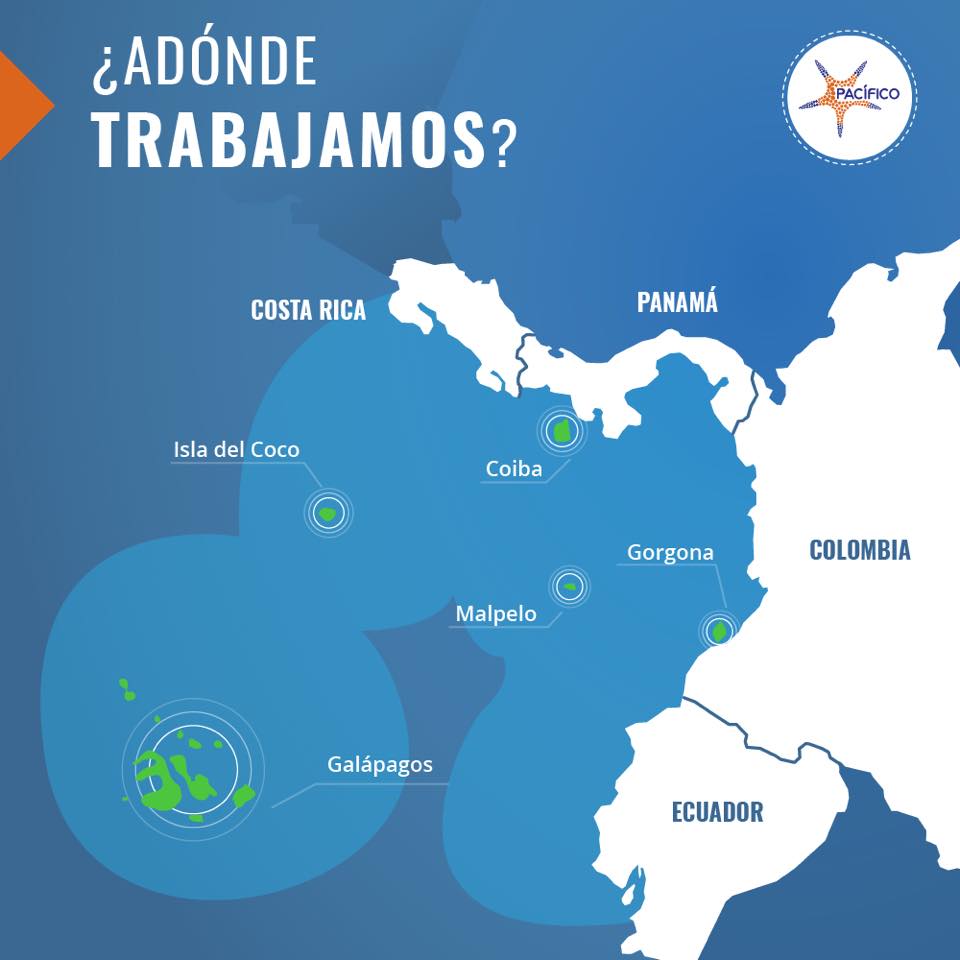
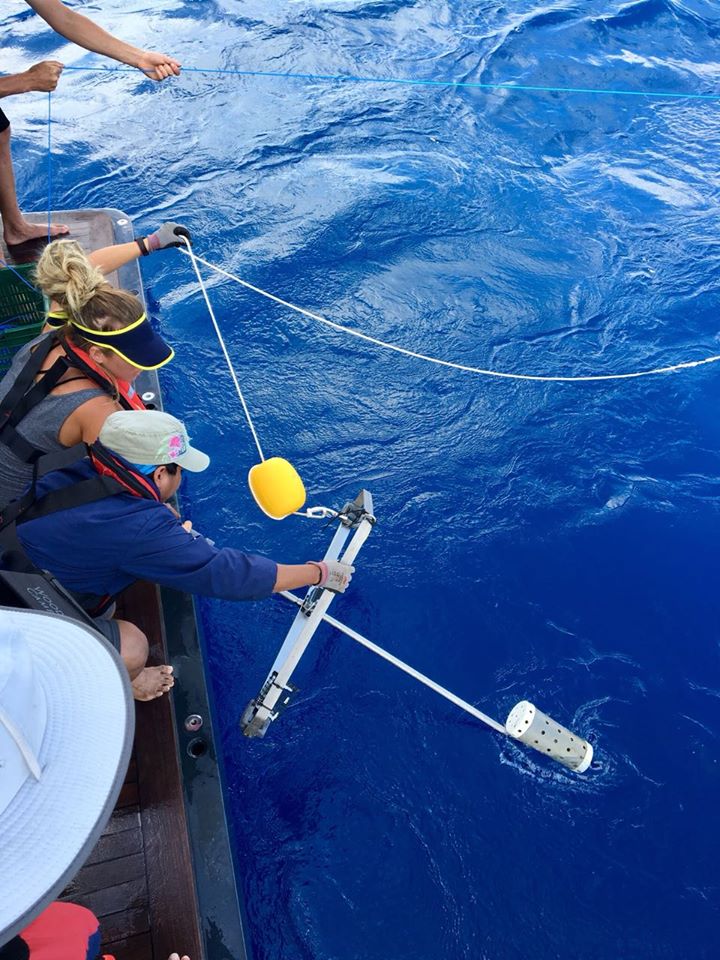
An unprecedented scientific expedition left from the Galapagos Island in Ecuador this past April 2 and will conclude April 13 when it arrives in Isla del Coco (Coco Island) in Costa Rica; the purpose of this expedition is to identify the marine migratory species that use this route and quantify their distribution, abundance and diversity of their predators.
According to Zdenka Piskulich from the Association Costa Rica por Siempre and Pacific Foundation, the general objective is to carry out research studies with the purpose of highlighting the importance of implementing conservation efforts beyond the borders to protect this important marine corridor for migratory species.
This corridor is key to the conservation of species such as sharks, whales, rays and sea turtles.
The evaluation of the current state of the shark and other pelagic species is particularly important due to the fast rhythm in which the populations of some species are reducing. Big sharks are capable of structuring marine food chains that regulate the population of preys, therefore, a reduction in the population of sharks from the oceans could have important ecological consequences such as the loss of biodiversity, the function and health of the ecosystem.
The Galapagos Islands in Ecuador are an archipelago of volcanic islands formed by 13 big islands, 6 middle size islands and 215 small islands. It is the second archipelago with most active volcanic activity in the planet. These islands were studied by Charles Darwin and his observations and research contributed to the inception of Darwin’s theory of evolution by means of natural selection.



