


 SIGN UP FOR OUR
  In vetro fertilization (IVF) is an assisted reproduction technology normally used as a treatment for infertility. In the process, an egg is removed from the woman’s ovaries and then fertilized with sperm in the controlled environment of a laboratory. When the egg has taken fertilization and become a zygote, it is entered back into the patient’s body (the uterus) with the hope of establishing a successful pregnancy. Robert G. Edwards won the Nobel Peace Prize in Physiology for developing the treatment.
Costa Rican law still prohibits in vetro fertilization. Most attempts at overturning the prohibition have been countered with the help of strong opposition from the Catholic Church and Evangelicals.
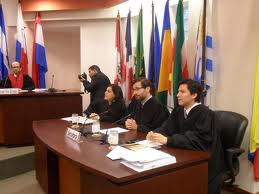
On September 3rd through September 7th hearings will be held on the subject of IVF here in Costa Rica. This time the case will be held in the Interamerican Human Rights Court. Prior, the case had been overseen by the Congressional Humans Rights Committee which is led by die hard Evangelical, Justo Orozco.
A 400 page defense of the law has been presented, sighting everything from the higher risk of birth defects to ovarian cancer and birthing difficulties as reasons to allow in vetro fertilization. The document will be reviewed and assessed by the court at the hearing.
On the contrary, 6 litigants have had their cases presented to Interamerican Rights Court by Lawyer Hubert May. The petitions bring into question if the state really holds the power to impede upon a mother’s right to bear a child. Also, he states that IVF is legal in most countries and mothers will gladly assume any potential risks for the possibility of having and caring for a child.
The anti-IVF defense states the opposite. The defense fervently claims that is the state’s obligation to defend the individual (who would receive individual status at the moment of conception) from harm.
This is a controversial and much needed topic of discussion in Costa Rica.



