


 SIGN UP FOR OUR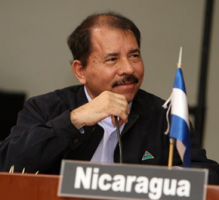
President of Nicaragua Daniel Ortega
Members of the Association for Tropical Biology and Conservation (ATBC) have issued a resolution that calls for the immediate cessation of all activity related to the construction of the controversial Nicaragua Canal, a quixotic project to build an interoceanic waterway to rival the Panama Canal. The ATBC resolution is based on what the organization estimates to be the environmental and social impact of excavating “278 kilometers of land, lake and rivers, cutting through pristine rainforest and the largest drinking-water reservoir in Central America.”
The ATBC is hardly the first organization that calls attention to the potential ecological disaster that the Nicaragua Canal presents. To this effect, The Costa Rica Star has previously published at length on the multiple issues presented by this project, which many geopolitical analysts believe is simply an exercise in high-level graft. Notwithstanding this view, the current regime of President Daniel Ortega seems to be moving ahead with this colossal civil engineering project.
The preamble of the ATBC resolution, which you can read here, states:
In June 2013, the Nicaraguan government granted a concession to the Hong Kong Nicaragua Development Corporation (HKND) to build an interoceanic canal connecting the Pacific Ocean and the Caribbean Sea, through Nicaragua, traversing Lake Cocibolca (also known as lake Nicaragua), along with multiple infrastructure development projects of considerable size. Planned developments include a 400 km2 artificial lake (!), multiple tourist complexes, factories to produce construction materials, and hundreds of kilometres of paved roads through otherwise inaccessible rainforest.
Some of the issues cited by the ATBC include:
- The Canal development is estimated to impact some 4,000 km2 of forest, coastline and wetlands.
- The Mesoamerican Biological Corridor as designed by regional governments will be cut in half and the canal and its infrastructure will create a significant dispersal barrier for plants and animals.
- The Canal would create substantial impacts to water quality and supply.
- The Canal will displace local populations, including rural farmers and indigenous communities, living within and near the corridor, directly affecting the livelihood of thousands of people.
An early envisioning of the canal project suggested using most of the navigable waters of the San Juan River, the natural border between Nicaragua and Costa Rica, by means of a massive dredging operation to make the water flow as straight as possible. Considerable pressure by Costa Rica and international leaders dissuaded the Ortega regime from executing on this questionable idea, and thus the project moved north and closer to Lake Nicaragua.



