


 SIGN UP FOR OUR
 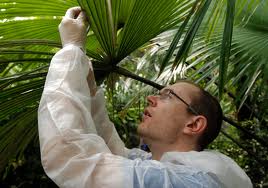 The results of bioprospecting are blatantly beneficial to the medical world. A prime example of these benefits is the advances that have been made in lymphoma and chemotherapy treatments. The advancements stemmed from chemicals found in the Madagascar Rosy Periwinkle.
What is bioprospecting?
Bioprospecting is an umbrella term describing the process of discovery and commercialization of new products based in biological resources, typically in less-developed countries. Bioprospecting often draws on indigenous knowledge about uses and characteristics of plants and animals. – Wikipedia
In 1992, at an Earth Summit meeting in Rio de Janeiro, a legally binding international treaty known as the Biodiversity Convention was signed. The convention has three main objectives.
- conservation of biological diversity (or biodiversity);
- sustainable use of its components; and
- fair and equitable sharing of benefits arising from genetic resources
Recently the UN treaty has been under heavy attack by private property advocates and climate change skeptics. Resistance has risen in spite of environmentalist’s belief that a major drug discovery could allow the planet to buy its way out of habitat destruction. Another reason for the negative pressure put upon bioprospecting is bio-piracy. Bio-piracy is when researching companies create products based off of indigenous knowledge of plants and animals and then patent the idea. This cuts the indigenous people (usually from a smaller, 3rd world country) out of the economic loop, taking away their ability to profit from their original knowledge that is now being commercialized to the world. The biodiversity treaty has since been un-ratified within the US senate.
“If you look at the Biological Diversity Convention, it is really designed to get people off of the land. Get rid of the roads, get rid of the towns, get rid of the transportations corridors, get rid of the transmission corridors, the pipelines and say, we’re giving this back to nature,” said Centre of Energy and Environment’s Myron Ebell in response to the multi-party resistance of the biodiversity convention.
Costa Rica was one of the first countries to capitalize on its biodiversity rights with regards to bioprospecting when INBIO, Costa Rica’s National Institute of Biodiversity, signed a deal with the major United States Pharmaceutical Corporation Merck in 1990. Biodiversity research from outside companies in other countries has seen difficulties lately. Much of this is due to nationalist and indigenous distrust, as well as bureaucratic discord. Costa Rica is unique in the way that it directly benefits monetarily from its indigenous plant and animal research and does it in harmony with an international 2nd party.
INBIO has created further proof of the dual benefits of bioprospecting by isolating medicines found in Costa Rica’s rainforest. The medicines are now used in two commercial stomach medications and create a profit for both the drug company and the indigenous party.
Source: Youtube



