


 SIGN UP FOR OUR
 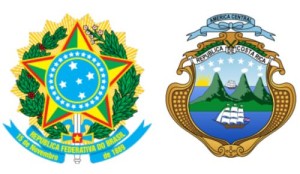 Although at first sight Brazil and Costa Rica seem to be sharply different nations, these two Latin American countries shared some unfortunate similarities during June 2013. In a recent opinion piece in El Pais, an online publication that often gives a voice to the current government’s opposition, journalist and academic Juan Manuel Fernandez C. made four important observations about the ongoing protests and the problematic state of both nations:
President’s Low Approval Rating
President Laura Chinchilla’s approval rating among Ticos has taken a beating over the last several months. At one point, President Chinchilla was at the bottom of the list in terms of the approval ratings in Latin America. In late June, President Dilma Rousseff’s approval rating was even lower than her Costa Rican counterpart. Only 30 percent of Brazilians gave satisfactory marks to their President’s leadership and performance.
When Costa Rica and Brazil elected women for the first time to their country’s highest office, there were high hopes among the constituents with regard to positive change. Alas, both Presidents have disappointed as far as public opinion is concerned.
Fed Up With Corruption
Corruption in government circles is a fact of Latin American life, but higher transparency in both Brazil and Costa Rica is helping to expose malfeasance and wrongdoing. Thanks to the work of alert journalists, whistleblowers and watchdog groups, more corruption is being exposed; as a result, Brazilians and Ticos are truly fed up.
In terms of corruption among developing nations, Brazil is only second to China. Corruption costs Brazil 2.3 percent of its gross domestic product (GDP) each year. Ten ministers appointed by President Rousseff have been removed from office due to corruption; President Chinchilla’s cabinet has been similarly decimated to the point that only a third of her original appointees remain. High-profile scandals in Costa Rica such as La Trocha, the highway project along the northern border, and tax evasion by the chief revenue collector have truly tested Ticos’ patience.
Street Protests and Social Media Converge
The use of online social networks has been crucial in Brazil and Costa Rica with regard to the protests and strikes of June 2013. Brazilians and Ticos have made smart use of Facebook, Twitter and viral videos for the purpose of keeping the public informed as well as fostering communication and organizing protests.
In Brazil, a viral video titled “No, I’m not going to the World Cup” posits that education is more important than football and new stadiums. In Costa Rica, social media has served as a platform for speech related to discontent with the government; this activity even prompted President Chinchilla to file a lawsuit against a citizen who posted what she claimed were defamatory comments on his Facebook Timeline. A viral video to accompany the protests in Costa Rica also made the social media rounds.
Fed Up With Marketing and Image Consulting
Brazilians and Ticos are tired of marketing gimmickry used by public officials to hide reality. In Brazil’s case there’s the 2014 FIFA World Cup, the jogo bonito and the epic carnival. Costa Rica is the happiest and greenest country. Those are undeniable facts about each nation, but people are tired of the endless marketing of their countries taking center stage when there are urgent national matters to deal with.
In the end, Brazilians and Ticos both want change that is meaningful and palpable. Until that happens, both countries will experience protests and discontent.



