


 SIGN UP FOR OUR
 PORT OF SPAIN, Trinidad — Eight Caribbean territories will receive financial assistance totaling US$8 million to combat exposure to toxic chemicals found in common household cleaning products, processed foods, and even clothing that can severely damage a person’s health.
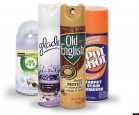
Examples of toxic household products, photo from Facebook.
Dr. Ahmad Khan, director of the Basel Convention Regional Centre for Training and Technology Transfer for the Caribbean (BCRC-Caribbean) stated that some pesticides, cleaning agents and industrial chemicals contain hazardous properties which can cause cancer, developmental delays, dysfunction of the reproductive organs and reduce immunity.
Khan explained that one particular group of these toxic chemicals is referred to as persistent organic pollutants (POPs).
Exposure to POPs can be through direct contact with the chemicals, consumption of contaminated foods or environmental exposure (by air, water and soil). And Khan urged the Caribbean region to make the management of toxic chemicals to protect human health and the environment a priority.
Recognizing the importance of this issue, the BCRC-Caribbean, in collaboration with the United Nations Industrial Development Organization (UNIDO), prepared a project document outlining the work required to strengthen the capacity of Caribbean countries to manage POPs.
They also approached the Global Environment Facility (GEF) and were successful in acquiring approximately US$8 million to support the project. The Caribbean Public Health Agency (CARPHA) will implement the necessary activities to assist eight Caribbean territories update their national implementation plans (NIPs) for POPs management, which includes POPs inventories and related capacity development.
Khan said, “The BCRC-Caribbean is committed to deliver services to our member Parties under the four ‘chemicals’ Conventions (Basel, Rotterdam, Stockholm, Minamata) that govern the environmentally sound management of hazardous wastes and chemicals. Through the successful implementation of this regional project, we will be able to establish the extent of new POPs in our countries and more importantly develop action plans to target the elimination and/or reduction in the use of these particularly harmful chemicals.”
Countries benefitting from this project are Antigua and Barbuda, Barbados, Belize, St Kitts and Nevis, Saint Lucia, St Vincent and the Grenadines, Suriname and Trinidad and Tobago.
The Washington, DC-based Environmental Working Group has available a list of the most toxic household cleaners, some of which are even disguised as “green” products. — Caribbean News Now



