


 SIGN UP FOR OUR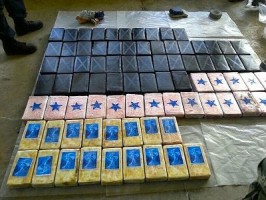
Source: Fuerza Publica
From oceanic creatures to sports car logos and from mythology to astrology symbols, the imagery used by drug cartels in their packaging of illegal drugs has been on the rise in the last few years. In Costa Rica, this practice is known as troquelado, and it involves the creative use of logos and packing materials when shipping their products, particularly powdered cocaine hydrochloride.
Narcotics and crime analysts from the Office of Judicial Investigations (Spanish initials: OIJ) have been studying and compiling instances of troquelado going back six years. The result is an Illustrated Catalog of Cocaine Troquelado, which is a compendium of the graphic design and packaging techniques used by drug traffickers in Costa Rica and Latin America.
Some of the categories organized by the thematic index of this manual include:
- Commercial brand logos
- Esoteric symbols
- Mammals
- Birds
- Comic book characters
- Roman numerals
- Celestial bodies
- Street signs
Each entry in the catalog contains basic information such as date of confiscation, arrests made, known or suspected groups, case numbers, etc. The idea is for police officers and detectives to cross-reference this data with information kept in case files, court records, field notes, prosecution reports, etc.
A previous report published by The Costa Rica Star on the issue of cocaine branding described one such effort:
dozens of bricks wrapped in pink packaging with a blue star stamped on top. The other two packaging designs include black glossy wrappers with a large, subdued letter X as well as a stylish yellow covering that resembles old-fashioned stationery paper stamped with a mysterious sapphire-blue design.
One logo that is often seen is the scorpion stamp; this is a design that frequently appears on seized bricks. It is believed to be the marking of the Sinaloa Cartel, which has been likened to a multinational corporation in the wake of the arrest of “Chapo” Guzman. This is a cartel that law enforcement in Costa Rica considers has established operations mostly in Guanacaste.
This intelligence and analysis tool for law enforcement and drug interdiction agents is the first of its kind in Costa Rica; the only other country that has utilized a similar manual is Colombia. This is yet another sign that our country is becoming a bridge and a “way station” for cocaine cowboys whose smuggling journey begins in South America and ends in the United States, the most profitable drug market in terms of demand.



