


 SIGN UP FOR OUR
 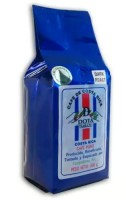 A recent article in the Co-oerative Press Global News Hub highlights the work of Coopedota, a major coffee growing and roasting co-op in Costa Rica, with regard to its continuing efforts in helping the country achieve carbon neutrality by 2021.
In 2011, Coopedota announced the launch of the world’s first carbon-neutral coffee. The Costa Rica Star has previously reported on Coopedota’s achievement as part of a series of articles that touch on the subject of innovation in sustainability. The Co-operative Press Global News Hub interviewed Coopedota’s general manager Roberto Mata about the importance of producing carbon-neutral coffee in the wake of climate change:
“It’s a necessity. Coffee is an agricultural product that has been affected by severe weather and we all have to do something, we all do, not just the farmers. This is a problem that deserves urgent attention due to the effects of climate change. We are in a very sensitive region. [Weather-related] Disasters are striking around the world. In the United States, for example, hurricanes are catastrophic for crops.”
Mr. Mata also mentioned the changes in the habits of consumers and perception of the products they purchase. He believes that consumers tend to prefer the coffee producers who keep environmentally friendly policies.
Coopedota has hired a dedicated manager, Hortensia Solis, to oversee sustainability in their operations. She explained that carbon-neutrality goes beyond helping Costa Rica achieve her noble goal, or even selling more bags of coffee:
“The climate-smart coffee is about our bottom line and continuing existence. The market for products made with a reduced carbon footprint will grow as consumers become more concerned about climate change. We want to capture the value of sustainable practices and pass it on to our farmers, many of whom have been affected by climate change. We want other cooperatives involved in reducing their emissions as well.”
To produce carbon-neutral coffee, Coopedota first measured the greenhouse gas emissions they were producing in the processes of production, processing, transportation and sales. Coopedota then set out to reduce their carbon footprint as much as possible. The residual carbon emissions they could not eliminate were compensated either functionally or monetarily. Coopedota started working in 2009 with EARTH University, until they could come up with a coffee worthy of the coveted EARTH brand label.



