


 SIGN UP FOR OUR
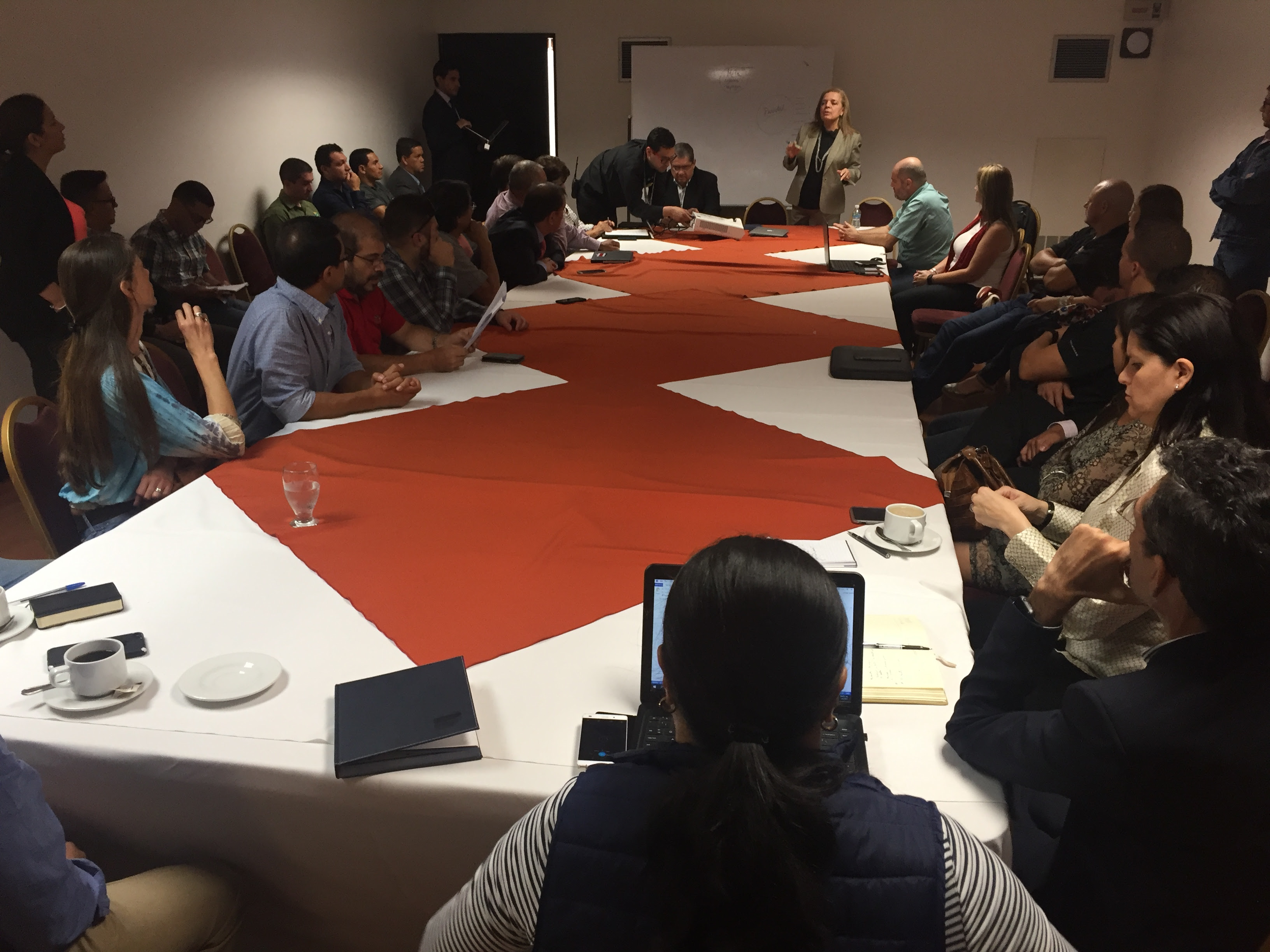
The Costa Rican Chamber of Tourism (CANATUR, its initials in Spanish) sent out a notice to canopy tour operators in the country this week regarding an apparent expiration of the canopy patent, but the relief appears to be short-lived.
For weeks, uncertainty has reigned among the industry since Canadian national, Darren Hreniuk, began attempting to charge canopy tours royalties based on a recent court ruling that upheld his patent rights over the use of the canopy technology in Costa Rica.
CANATUR took leadership on the issue by meeting with local businesses to inform them of the legalities involved, and in investigating the situation further.
The chamber reported that, according to records at the Industrial Registry of the National Registry, the canopy patent that was issued to Hreniuk has lapsed, having expired on October 20, 2010, therefore making any attempts to collect royalties or close businesses invalid, said CANATUR.
The chamber said they planned to send in writing an explanation of the situation to all municipalities so they are updated them on the current status of the patent.
Hreniuk, through his lawyer, had planned to use the patent to charge canopy businesses a per person fee, and threatened to take measures against those who did not negotiate with him. They have reiterated in press statements their willingness to work with businesses to reach agreements and have said their intention is not to harm tourism in the country.
The tourist chamber said the fact that the patent is expired means municipalities have no basis to follow through on any closures of canopy businesses, and said they would continue to follow the issue and maintain business owners informed of any further developments.
However, Jorge Mario Marín, the Canadian patent-holder’s lawyer responded immediately to CANATUR’s announcement of the expired patent by saying that the recent court ruling clearly states that the annulment of the patent in 2010 was not carried out by a competent authority, and the court ruling served to “reactivate the patent in favor of my client until October 20, 2018.”
Marín said the Attorney General’s office had been remiss in failing to notify the industrial registry about the new situation regarding the patent, and said he personally would deliver the ruling to the registry this week so the records are set straight and the fees can be collected as planned by the patent owner.
Marín said he invited, “Canopy operators to meet with us so we can reach an agreement under very favorable conditions, and not have to stop their activity.”



