


 SIGN UP FOR OUR


By Wendy Anders
In an interview on January 16 by Costa Rica’s Spanish daily Diario Extra, Martin Arias Araya, director of the Costa Rican Coast Guard Service, expressed concern over a lack of water navigation laws in the country that he said makes Costa Rica the only country in the Americas to lack such regulations.
Arias Araya has led the Coast Guard since 2007, and has a total of 33 years serving in the country’s Security Ministry.
“There is no law at sea. You can not ask for someone’s license; they can sail drunk, or without annual technical inspections – which should be done each year by the port master, but if not, no problem,” said Arias Araya, who explained that for seven years he has watched the Costa Rican legislature fail to approve a water navigation law.
The 80-90 emergency situations dealt with on boats each year are expensive, dangerous and put lives at risk, said Arias Araya, who says increased controls over vessels are sorely needed.
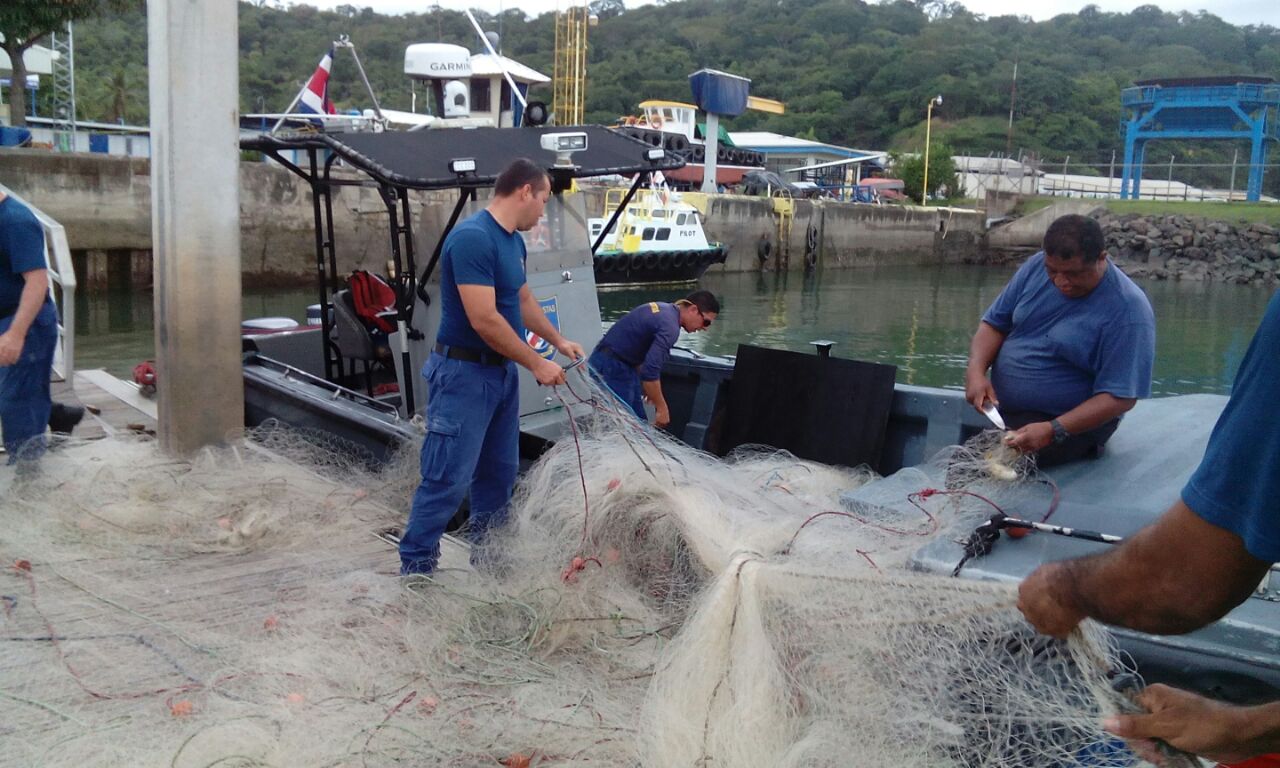
In the Gulf of Nicoya alone, there are four thousand boats registered (mostly fishing boats), and complications tend to arise during closed fishing season, said Arias Araya, who said his officials are hampered by a lack of regulations regarding captain licenses, safety equipment, navigational routes, and other basics.
Costa Rica’s 500-strong Coast Guard force is stretched thin monitoring everything from narco-trafficking to turtle poaching to tourist excursions along the country’s 1,228 km (about 763 miles) of coastline – 212 km (132 miles) on the Caribbean coast and 1,016 km (631) on the Pacific.
For example, said Arias Araya, “We haven’t been able to reach the Cocos Island or monitor tuna activity in that region for two years because we we need better boats.”
Monitoring around Cocos Island, located 550 kms (342 miles) off Costa Rica’s Pacific, will be facilitated by replacing the country’s two 60-year-old patrol boats with modern 38-meter ones due to arrive next year as donations from the United States, said Arias Araya. This month, 54 Costa Rican officers will be trained in the United States on handling these boats, which will be used exclusively to patrol the Pacific, he continued.
The Coast Guard also currently has 40 interceptor ships to curb growing drug traffic in both the Caribbean and Pacific, said Arias Araya.



