


 SIGN UP FOR OUR
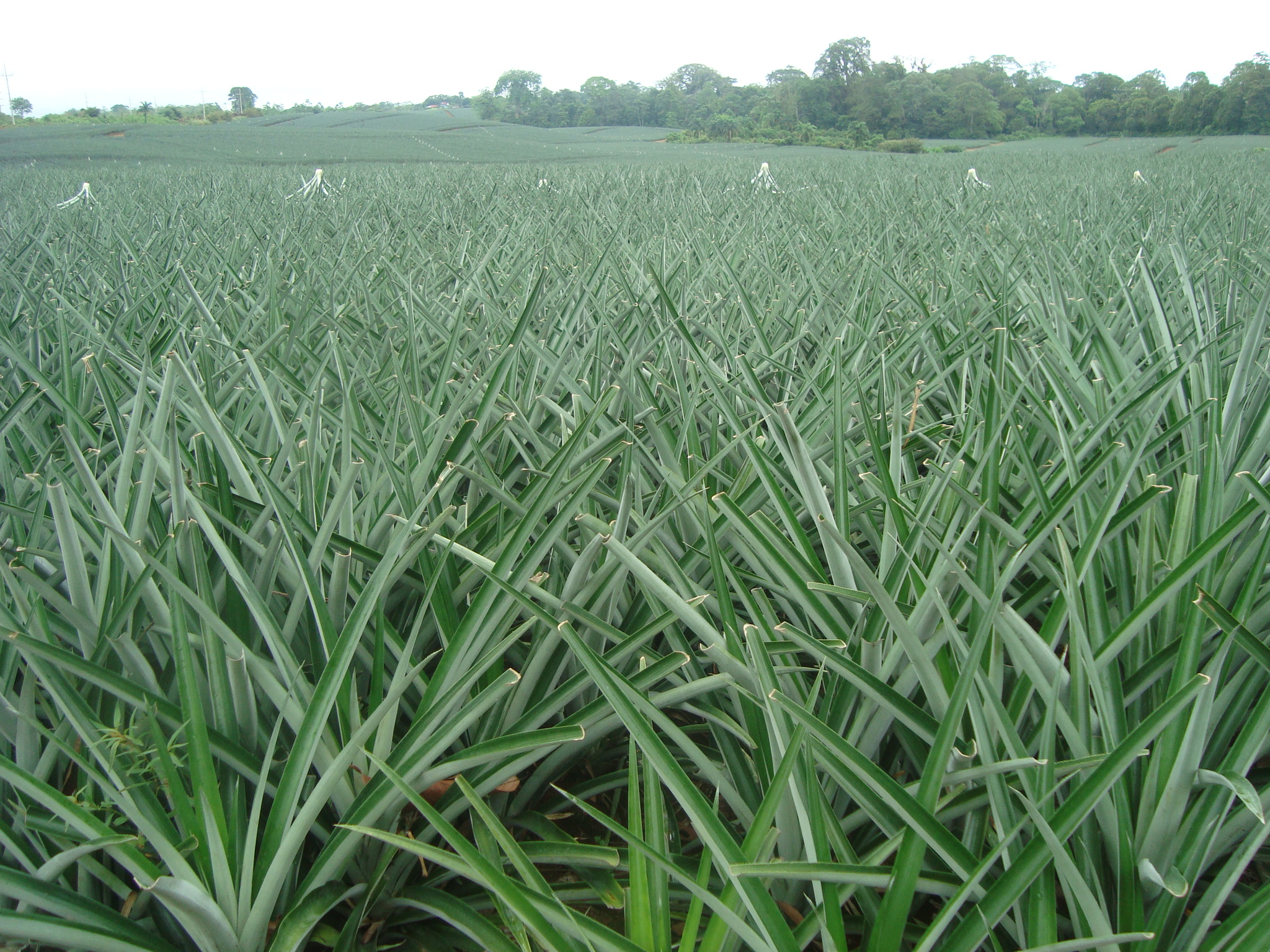
Costa Rica established a committee tasked with monitoring governmental commitments on responsible pineapple production and trade Monday, July 31 at a forum supported by the United Nations Development Program.
The initiative – led by the Ministry of Agriculture and Livestock (MAG)- also involves the Ministry of Environment and Energy, the Ministry of Labor and Social Security, and the Ministry of Health, and aims to create a “space for dialogue and action so that representatives of the state, academia, producers, buyers, communities, and civil society organizations are able to encourage improvements in the performance of the activity,” said the MAG in a statement.
“We have already mapped more than 58 thousand hectares of land dedicated to pineapple production recorded through the monitoring system on land use change. We will follow-up on the 36 actions to improve pineapple production identified by the Costa Rican government … and we are generating support for the implementation of key actions in sensitive areas such as training, soil management and agrochemical control in the counties that produce the majoring of pineapples for export,” said Luis Felipe Arauz Cavallini, MAG Minister.
Minister of Environment and Energy Édgar Gutiérrez said he is committed to sustainable production which guarantees the protection of essential environmental services such as water, and that the committee will further his ministry’s goal of citizen participation in decision-making.
Alice Shackelford, UNDP representative to Costa Rica, said the establishment of the commission will allow decisions and actions to be taken to address the main challenges of pineapple production in the country, ensuring fertile and healthy soils, clean water for people and communities, and keeping forest buffer and water recharge zones intact, as well as ensuring that people involved in the activity have sustainable and dignified livelihoods, detailed the statement issued on the forum by the MAG.



