


 SIGN UP FOR OUR
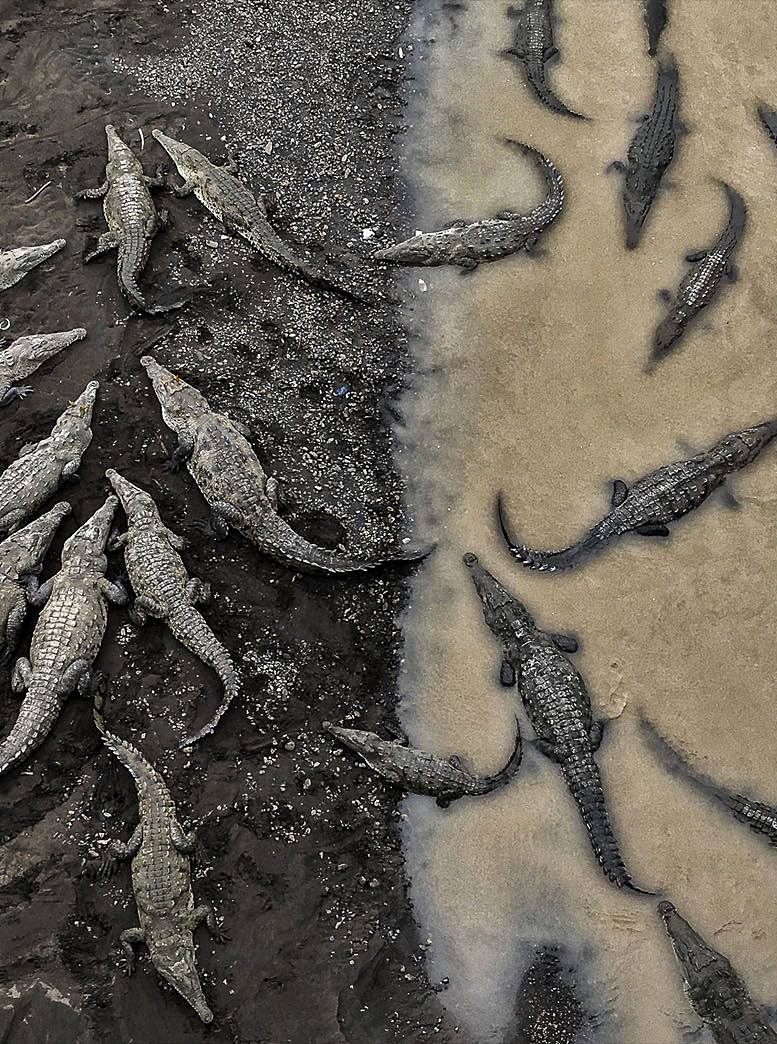
After filing complaints to no avail with the Ministry of Transportation and Public Works (MOPT) about the dangers of crocodile viewing on a heavily transited bridge along the Pacific coast of Costa Rica, environmental activist and lawyer Walter Brenes appealed to the country’s Supreme Court on the issue earlier this year.
This week, the country’s high court issued a ruling saying the ministry has two years to regulate the crocodile viewing activity along the Central Pacific coast’s Tárcoles River.
“German Eduardo Valverde González and Junior Araya Villalobos, Minister and Director General of Traffic Engineering with the Ministry of Public Works and Transport, or those who occupy these positions, in a coordinated manner are ordered to take the necessary measures to ensure that within two years from the date of notification of this resolution, the road safety problem on the bridge over the Tárcoles river is definitively resolved,” said the ruling.
Energy Law Firm (ELF) lawyer Walter Brenes, a resident of the Pacific coast town of Playa Hermosa, said none of the entities has taken steps to regulate the popular crocodile viewing activity on the Pacifica Fernández Oreamuno highway, which connects the San José-Caldera highway with communities such as Jacó, Parrita and Quepos – Manuel Antonio.
“A large number of people congregate here, some often sit on the edge of the bridge, on railings, and are very close to the road, where vehicles pass at high speeds … thus there is the danger of a possible fall into the river,” said Brenes to AmeliaRueda.com.
The activity is not only a hazard to pedestrian safety, but also to the safety of drivers passing through the place, who could run over a tourist that falls from the narrow sidewalks along the 2-lane bridge, detailed Brenes.
Finally, the resolution declares that the Garabito City Council and the State must pay the costs and damages mentioned in the court case which will be decided upon by the Administrative Contentious Court when they consider the administrative breaches by the institutions that failed to respond to Brenes’ initial inquiries and requests.



