


 SIGN UP FOR OUR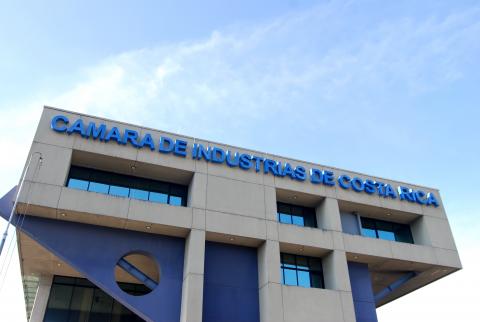
(ICR/CRS Archive)
On Wednesday, just one day after leaders of Costa Rica’s agricultural sector warned that some 500,000 jobs could be at risk should the country decide to move forward with plans for full membership in the Pacific Alliance, Costa Rica’s industrial and manufacturing leaders came out in support of the pact, saying that the Alliance would expand trade and access to international markets and improve the industrial sector’s competitiveness.
The Pacific Alliance is a Latin American trade bloc, which currently consists of its four founding member states: Chile, Colombia, Mexico, and Peru.
Costa Rica began the process of accession to become the Alliance’s fifth full member state in 2014 during the administration of former president Laura Chinchilla, but the current administration has since postponed incorporation into the alliance, saying that the matter is being analyzed by the administrations economic council.
Enrique Egloff, president of the Chamber of Industries of Costa Rica (CICR) told reporters that the time has come for the government and President Luis Guillermo Solis to take a position on the country’s accession to the Alliance, saying that membership would benefit the Costa Rican economy and manufacturing sector.
The Solis administration had indicated previously that it would take a position on the country’s potential membership to the trade bloc by the end of last year, but the administration has stayed mostly quite on the subject.
“We’re in the third month of 2016 and the government has still not expressed an official, clear, and strong position regarding the incorporation of Costa Rica into the Pacific Alliance. We are convinced of the importance of finding and exploiting commercial opportunities for our industry in international markets, but the government fears advancing [membership],” Egloff told reporters.
The CICR argues that membership in the Alliance could provide opportunities for trade growth and would improve the competitiveness of Costa Rica manufacturers through Alliance trade agreements that cover raw materials.
“In 2015, Costa Rica exports to Pacific Alliance countries totaled US $377 million while imports totaled [nearly] US $1.8 billion. These amounts accounted for 4 percent of total exports and 12 percent of total imports. Of those exports, 97 percent were industrial goods,” Egloff said.
Some 66 percent of industrial exports went to Mexico, 20 percent to Colombia, 9 percent to Chile and 5 percent to Peru, according to Egloff.
The Pacific Alliance countries have a combined gross national product (GNP) of over $2 trillion, which accounts for 36 percent of the entire GNP of Latin America.
Collectively, the four countries account for 50 percent of Latin America’s trade and 26 percent of its foreign investments, totaling over $70 billion.
Costa Rica’s trade with Alliance countries more than tripled between 2002 and 2012 from US $775 million to more than US $2.2 billion.
In addition to its goals of free trade and economic integration amongst member states, the Pacific Alliance’s other goals include visa-free travel, a common stock exchange and common diplomatic representation.



