


 SIGN UP FOR OUR
 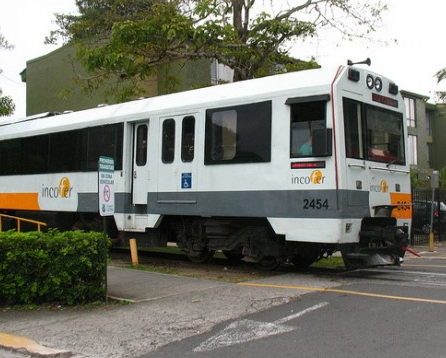 The inauguration of train service to Cartago recently has resulted in a 10% reduction in the number of passengers carried in Lumaca company buses, but manager Roberto Rivera says he is not worried. The La 400 bus company in Heredia is not in a good position, having lost 35% of their passengers.
But the government’s plan to expand train service in order to reduce traffic congestion in the capital has had its effect — a University of Costa Rica study in late 2012 shows that four out of every 10 train passengers are drivers who leave their cars at home.
Lumaca prepared for the train to cut into its 33,000 passenger per day service by buying 20 new buses to bring their fleet to 138 units. They did lose 3,000 passengers per day to the trains, but the rest are stable customers. The gap between the train fare, 550 colones, as opposed to the 495 charged by Lumaca, helps.
La 400 company is rather more vulnerable, fielding only 35 buses, some of which are nearing the end of their useful lives. The fare difference is minimal — La 400 charges 400 colones and the train only 20 colones more. It is little wonder that they feel the 35% passenger loss deeply.
Both bus companies have advantages. Many still take the bus even though it takes longer because their jobs in the city are further from the train station. Also, the buses run with more departure and arrival times. More than 70% of passengers use both to get to work, leaving their cars at home for weekend excursions only.
Article by QCostaRica.com



