


 SIGN UP FOR OUR
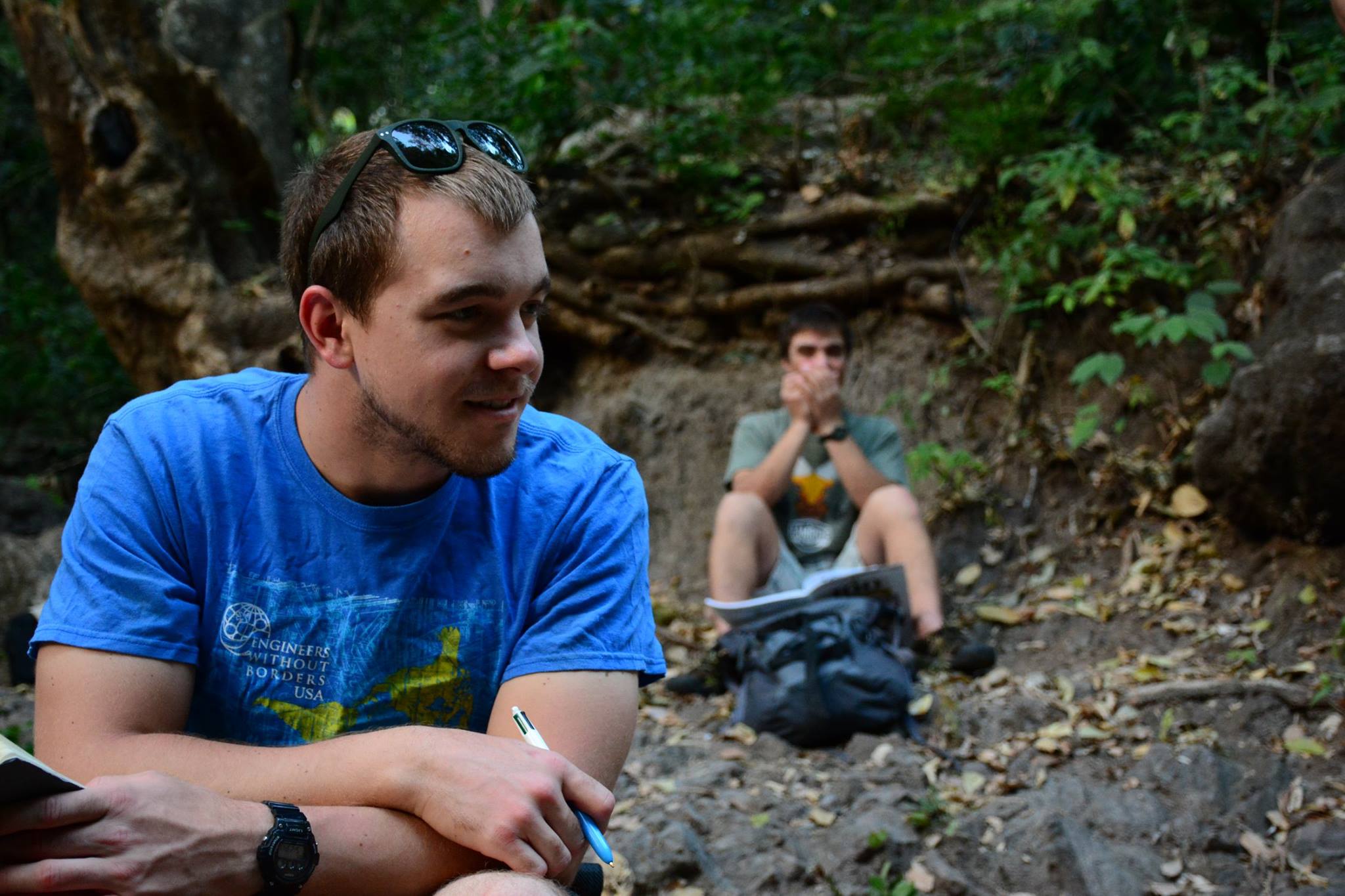
After Colorado native Cody Oser was found dead in a creek earlier this month near his Peace Corps site in northern Panama, local residents and Peace Corps members have rallied to pay tribute to the young idealist. His death has been determined accidental.
Panamanian President Juan Carlos Varela said at a memorial service held at the Smithsonian Tropical Research Institute on Wednesday, April 12 he would name a school after Oser and would dedicate the upcoming Special Olympics to his memory, said a report in Panama’s English-language daily Newsroom Panama.
Oser’s body was found in a creek in Ngabe Bugle Comarca on Saturday, April 6.
After graduating with a degree in civil engineering from Colorado State University, Oser embarked on a number of community aid projects including serving as an engineering intern for SunCulture Solar Agriculture in Kenya, and as a project leader for Engineers Without Borders in El Salvador and Pine Ridge, South Dakota before leaving for service in Panama in July 2016.
Oser’s family told Denver, Colorado media that forensic studies determined he had slipped on some rocks while hiking and fell into the water after striking his head.
President Varela also pledged to continue and complete the projects Oser had started at his Peace Corps site, according to Newsroom Panama.
The Smithsonian Tropical Research Institution (STRI) in Panama, is the only bureau of the Smithsonian Institution based outside of the United States, and is dedicated to understanding biological diversity.
What began in 1923 as small field station on Barro Colorado Island, in the Panama Canal Zone, has developed into one of the leading research institutions of the world. STRI’s facilities provide a unique opportunity for long-term ecological studies in the tropics, and are used extensively by some 900 visiting scientists from academic and research institutions in the United States and around the world every year. The work of our resident scientists has allowed us to better understand tropical habitats and has trained hundreds of tropical biologists, according to the institute’s website.



