


 SIGN UP FOR OUR
  According to a bulletin issued by the National Meteorological Institute (IMN), the next three months will be dryer than usual. The forecast released on June 4 by the director of the IMN, Juan Carlos Fallas, stated that this dryness is due to El Niño and its effects will be felt in Costa Rica until March of 2013. However, the director warned that when it does rain, the showers will be short and very intense.
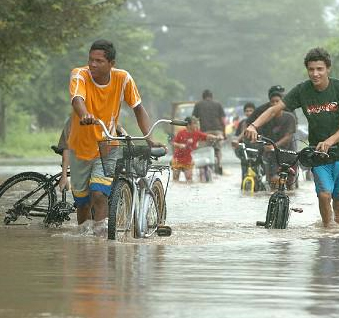
Responding to the IMN’s forecast, the director of the National Emergency Commission (CNE), Walter Fonseca, stated that the sudden showers of intense rain could overwhelm sewers and rivers and cause flooding. He said that citizens should remain vigilant in the areas that are prone to flooding and landslides. He noted that this year, although there was less rain, the number of emergency incidents was similar to previous years when there was more rainfall. On June 28, there was a sudden downpour, accompanied by strong winds, which lasted for over three hours, causing flooding and damage to several houses in various districts of the canton of Aguirre and Parrita in the province of Puntarenas.
Additionally, the decrease in rainfall will have negative effects on agricultural production. IMN director Fallas, explained that the effect of drought will greatly impact the Central Valley and the Northern Pacific and on a smaller scale, the Central Pacific, North and South Pacific.
For the remainder of July and during August, we can expect days of abnormal heat and dryness, along with a few rainy days. During this same period, the Caribbean region will experience increased amounts of rainfall, especially in the southern zone.
These periods of dryness are normal and referred to historically as the;
-“Veranillos de San Juan” (June)
-“Canícula” (July)
-“Canícula” (August)
For centuries, farmers have relied on these climatic dry periods in the weather, to harvest and re-plant their crops.
IMN director Fallas said that during the first half of this year, there was a significant shortfall of rain in most of the country, with the exception of the South Pacific, where the average rainfall was normal. As an example, the oldest IMN reporting station at the Juan Santamaria Airport in Alajuela, recorded that this year was the third driest in the past 31 years. Only in 1994 and 2004 was there less precipitation.
IMN specialists also warned that El Niño affects the production of tropical cyclones, depressions, storms and hurricanes in the Atlantic basin, which affect the weather in Costa Rica. Although the current hurricane season, which began on June 1 and ends on November 30, was predicted to be normal, they are anticipating from 8 to 12 cyclones, of which four already occurred without consequences this year. It is expected that in the Caribbean, up to six tropical depressions could occur, two of which could become tropical storms and one or two could develop into a hurricane.
The IMN director stated that these are projections and should be anticipated, but there is no way to know what type of impact they will actually have in Costa Rica.
Sources: National Meteorological Institute (PDF) and National Emergency Commission



