


 SIGN UP FOR OUR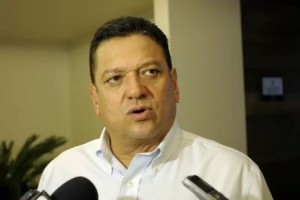
PLN presidential candidate Johnny Araya
Presidential candidate Johnny Araya recently announced a detailed plan to tackle poverty in Costa Rica. The details amount to a bare-bones “three squares and a cot” plan, which aims to deploy practical welfare measures such as giving poor families cash for groceries and a generous subsidy to help them achieve their dreams of homeownership. Sounds like a magnanimous plan, but his opponents and detractors call it a populist, band-aid strategy to gain votes.
The proposal by candidate Araya goes by the name of “Costa Rica Solidaria.” Online news daily El Pais, which often takes an editorial stance against the powerful National Liberation political party (Spanish initials: PLN), recently published some numbers on this plan:
- Rural families living in extreme poverty would receive 19,350 colones (about $38) each month per family member for the purpose of purchasing groceries. In the case of urban families living in extreme poverty, the amount would be closer to $42.
- In relation to offering adequate housing to poor families in Costa Rica, candidate Araya presented a plan to assist 125,000 families during his term.
The proposals above are not innovative; in fact, they are a PLN political staple. President Laura Chinchilla has delivered on some of these measures during her term. The Costa Rica Star has recently published on President Chinchilla’s delivery of new homes to low-income families in Guanacaste, as well as mortgage debt forgiveness for other families who would otherwise be facing foreclosure. On the food front, the Inter-Agency Institute of Welfare (Spanish acronym: IMAS) and community-based food banks have been pretty busy with feeding the poor over the last four years.
Poverty Reduction is Not Guaranteed
What is different about candidate Araya’s proposal is that he has actually identified funding and shortcomings. The money will come from IMAS and a sister government agency; however, these agencies only have money to feed about 145,000 people out of the 339,000 who live in austere conditions in Costa Rica. Candidate Araya plans to handle the cash shortfall by imposing higher taxes -especially on the rich.
Araya’s opponents have remarked that his plan, while socially responsible, alleviates extreme poverty but does little to reduce the pesky 20 percent poverty rate that Costa Rica has carried since the late 1980s.
In a recent article published by the libertarian think-tank Cato Institute, Juan Carlos Hidalgo argues that Costa Rica has followed a policy of mercantilism over the last quarter century, which has managed to empower the middle and upper classes but has done little to reduce poverty. To Araya’s credit, his opponents’ plans to reduce poverty are not quite hitting the mark, either.



