


 SIGN UP FOR OUR
 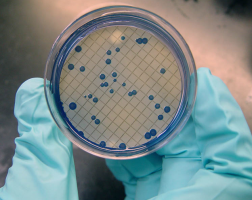 Wastewater treatment in Costa Rica is once again making headlines, and the latest reports indicate that strict measures such as limiting access to entire beach towns along the Pacific coast of Guanacaste could be taken unless a comprehensive water management strategy is adopted soon. Earlier this year, Playas del Coco was one of the beaches slated for closure due to a high count of 450,000 fecal coliforms per 100 ml of estuary water; the maximum count allowed for public health purposes is 1,000.
Back in July, national newspaper La Nacion published an article that explained the extent of water pollution in Playas del Coco and the community of Sardinal. The problem was more pronounced along the southern portion of the beaches. The northern sector of Playas del Coco once flew the coveted Blue Ecological Flag; alas, it was taken away by the Aqueducts and Sewers Institute back in 2009.
In 2011, the southern sector of Playas del Coco was deemed safe for swimming since the fecal coliform count was only 60 per 100 ml of water. By comparison, the seemingly pristine Perdido Bay on Florida’s Gulf Coast featured fecal coliform counts of 8,000 per 100 ml of water in 2009 and was thus unsafe for swimming. Lake Trout in Vancouver, Canada, suffered a similar fate in 2011 with about 250 fecal coliforms per 100 ml. The situation in Playas del Coco is critical in the estuaries, but it vastly improves on the beaches.
La Nacion interviewed Heather Lane, a sailboat tour operator who has observed a considerable amount of dead fish in Playas del Coco in 2013. Ms. Lane and other locals are concerned that water pollution from the estuaries may be killing the fish. Their suspicions have increased with recent reports that indicate that just 4 percent of wastewater in Costa Rica is treated before it ends up in bodies of water such as the estuaries in Playas del Coco and other beaches in Guanacaste.
A similar situation was observed in 2009 at the Manuel Antonio National Park in Quepos, when the Ministry of Public Health warned the Ministry of the Environment that closure of one of Costa Rica’s most visited parks was imminent due to high fecal coliform counts. In the end, the situation was remedied; however, the Ministry of Health is now paying even closer attention to water pollution in places such as the beaches of Guanacaste, where hundreds of thousands of tourists enjoy visiting each year.



