


 SIGN UP FOR OUR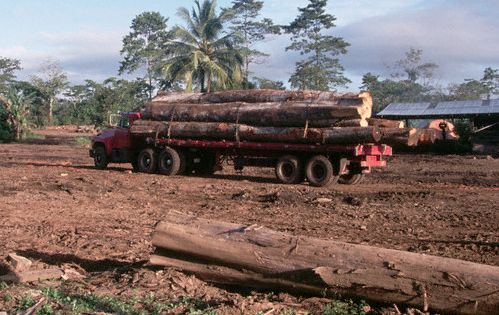
Costa Rica has one of the most ambitious and developed conservation programmes among tropical rainforest countries. More than 10% of the country is protected and the government has a target of protecting 18% of the country in national parks and a further 13% in privately owned reserves.
The government has initiated many programmes to promote sustainable development, including forest management plans for landowners, carefully managed eco-tourism and a scheme to protect rainforest my selling allowances to emit greenhouse gases (now adopted by the UN). Costa Rica is cited as a good example of economic development and forest preservation.
However, despite Costa Rica’s strong environmental record, deforestation has been a serious concern. In the early 1990s, the country had one of the worst deforestation rates in Latin America. Clearing for agriculture and cattle grazing have been significant contributors, but illegal timber harvesting, particularly in protected areas, is an ongoing problem. Although not as serious as in some neighbouring countries, corruption plays a part in the illegal trade. In 2002, it was estimated that 34% of commercial logging in Costa Rica was illegal. The government has introduced a number of measures to combat the illegal trade, including a requirement to tag each log with its origin, bans on night-time timber transportation, and monitoring by government officials.
Costa Rica is one of 14 countries which will receive funds under the Forest Carbon Partnership Facility, which will reward countries for preserving their forest cover. The countries will receive grants to build their capacity for REDD (Reducing Emissions from Deforestation and Degradation), including establishing emissions reference levels, adopting strategies to reduce deforestation, and designing monitoring systems.
Costa Rica was the first country to pledge to become carbon neutral and may well be the first to achieve this.
Source: Illegal Logging



