


 SIGN UP FOR OUR

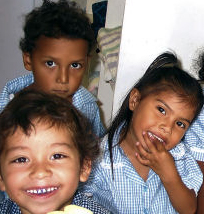
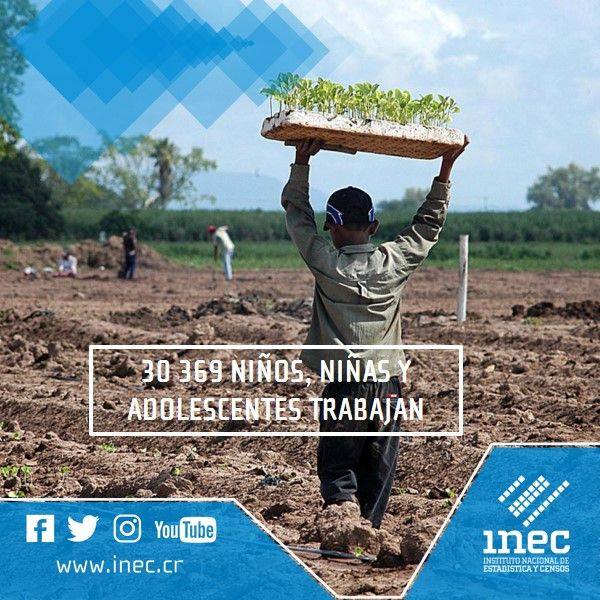
What could be more paradoxical than kids in the newly proclaimed wellness tourism capital lacking outdoor areas to get exercise and have fun?
Well, strangely enough, many rural areas in Costa Rica – whether due to hilly terrain, very wet climates, and other environmental and political factors present in this tropical country – do not have safe or apt areas for kids, especially young ones, to run around or practice sports.
The University of Costa Rica’s Interdisciplinary Program of Studies on Social Action for Child and Adolescent Rights (Pridena, its acronym in Spanish), identified that a lack of recreational spaces, exclusion from the educational system, and sexual harassment are some of the main problems affecting youth in the southern Brunca Region in the Pacific coast province of Puntarenas.
Solutions to these and other issues, such as teen pregnancy, are being pursued by the University of Costa Rica by students and professors at the Golfito campus, near the Panamanian border.
Pridena conducted field visits to communities near Golfito in June to establish contact with local institutions and social organizations, including the National Children’s Welfare Agency (PANI, in Spanish), and set up joint goals and projects to improve children’s quality of life.
Yolanda Barrantes, regional director of the PANI’s Brunca region said that a recent study carried out in each of the region’s counties – Osa, Golfito, Corredores, Coto Brus and Buenos Aires – by her agency found that all identified as their priority concern a lack of recreational spaces for youth.
Curiously, Costa Rica’s Osa Peninsula is a place sought out by ecotourists throughout the globe for outdoor adventures and hiking, but such amenities are not available to local residents many of whom lack basic services such as sidewalks or even bridges for getting to and from schools and clinics.
Barrantes said the local of health options for youth make them susceptible to online risks such as sexual predators saying, “When boys and girls do not have recreational opportunities, they can be easy prey of online manipulation,” due to spending lots of time on electronic gadgets.
“The lack of access to education and culture among underage people makes them much more vulnerable to misery and unhealthy lifestyles, even increasing the risk of addictions,” was one of the key findings of the VIII Report “State of the Rights of Children and Adolescents” (or EDNA, in Spanish) presented by the UCR team in June.
The report has aided the Pridena team to identify priorities for interventions, especially among minors who have dropped out or otherwise have been excluded from the educational system, and are at-risk for a number of problems.
The presentation of the findings of the EDNA report activity was attended by representatives of local organizations and also youth leaders.
Enrique Moya, president of the Corredores County Union who participated in the activity, stressed that parents also need to be active in addressing the problems of children and adolescents, and be aware of the risks of social networks. “Today our children and grandchildren communicate with the world, and maybe they do it secretly from their parents, and we must monitor this.”
Through visits to the communities, Pridena is presenting the results of the EDNA Report to different regions in country, and seeks to promote affirmative action in favor of children and adolescents in collaboration with the different branches of the University of Costa Rica.



