


 SIGN UP FOR OUR
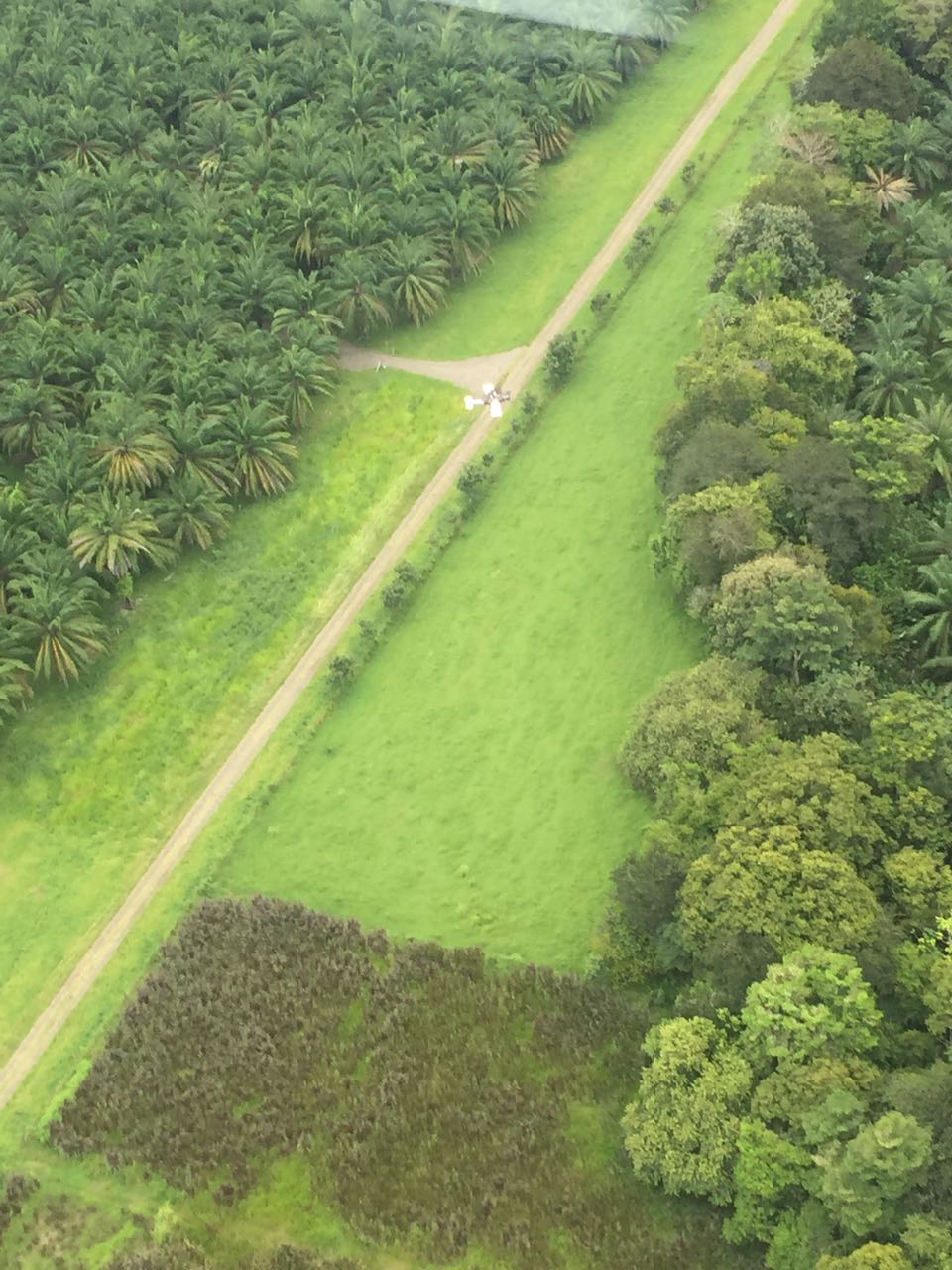
The Ministry of Public Security has carried out national aerial surveillance over the past year to identify, and eradicate, clandestine airstrips throughout the country, said the ministry in a statement.
The finding yesterday of the charred remains of a light aircraft that apparently caught fire upon landing on an airstrip on a private property in the jungle in the Pacific area of Savegre, Quepos give police further incentive to continue to locate and dismantle such infrastructures. Police believe the craft’s registration number was falsified as it appeared glued on, and said it belongs to another aircraft registered in Colombia, but no other clues near the crash sight were found, said the OIJ in a press conference.
Of the 86 clandestine airstrips located so far by the Security Ministry, police have been able to notify owners of 59 people whose lands harbor the strips.
Information on this process is being shared with the Costa Rican Civil Aviation Directorate, who also participates in the police operations.
Police interviewed the owner of the Quepos airstrip where the burned plane was discovered, and the man said the roughly 500m-long strip was used for fumigation aircraft, information that will be corroborated separately by judicial investigative agents (OIJ) said police.
“We have been carrying out intense supervision and reporting on these lands, and today we begin work in the northern region to continue the work and corroborate that they are being used for normal activities that fall under the law,” said Minister Mata.
Mata said he was concerned that such small aircraft are operating without the knowledge of civil aviation authorities.



