


 SIGN UP FOR OUR
 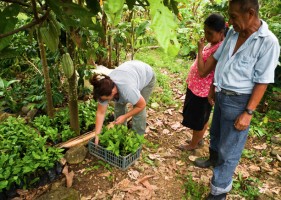 At the 2014 UN Global South-South Development Expo in Washington, DC, hundreds of participants from 174 government agencies and non-profit organizations gathered to discuss and evaluate 70 proposals to alleviate poverty. Among the programs highlighted at this expo was one proposed and managed by Costa Rica along with two partner nations. Part of the press release from the United Nations explains:
The “Programme for South-South Cooperation on Sustainable Development (PSC)” between Benin, Bhutan and Costa Rica, with initial seed-money from the Government of the Netherlands. Through the 36 sustainable development projects implemented by this porgram, global thinking has been translated into local performance by the people of three countries on three different continents: 26,700 direct beneficiaries; 477 communities have benefited; 1,533 indigenous people have been trained; 3,124 farmers have converted to organic production; 1,160 women have been involved in decision making.
It is important to remember that the above figures are for the three participating nations. The administration of President Luis Guillermo Solis has already explained that it will be hard press to reach 50 percent of the families who are currently experiencing harsh economic conditions in Costa Rica. A major part of the problem is the national economy itself. To understand why the current administration cannot realistically alleviate extreme poverty , please watch the following video by Kate Smyth of Youth Challenge International; she does a great job of explaining the basics of Costa Rica’s economy so that we can understand just how difficult it is to tackle poverty at this point.



