


 SIGN UP FOR OUR
 By Wendy Anders
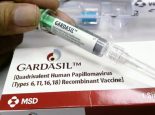
Gardasil, the controversial human papilloma virus vaccine that was tested in Costa Rica.
F. Hoffmann-La Roche AG’s Central America and Caribbean subsidiary (Roche CAC) reported US$116 million in exports from January to October 2015, reported El Financiero (EF), Costa Rica’s business daily.
As part of this growth, the company invested US$5.5 million last year in its distribution services center in La Aurora de Heredia’s Ultrapark Free Zone. The Swiss multinational pharmaceutical giant employs over 140 people in Costa Rica, and have run clinical trials on their new drugs here, said EF.
Daniel O’Day, Roche’s CEO, spoke with EF on the results of that investment, and their plans to strengthen other areas with great potential including clinical trials.
“In Central America and the Caribbean, approximately 60 percent of the population does not have access to innovative medicines, therefore, it is very important to increase access, and for that we work together with governments, patient groups and physician groups,” said O’Day regarding the potential benefits he sees for the local population from clinical drug trials.
Clinical trials in Costa Rica were virtually on hold from about 2005-2013 while regulations were reviewed and updated. The regulations governing such studies were ruled unconstitutional in 2010 based on violating the protection of life and human dignity, according to the Ministry of Health. New mechanisms were drafted and passed into law in 2014.
Trials for a human papilloma virus (HPV) vaccine in Costa Rica triggered the controversy when there were problems with informed consent and other non-compliance with local regulations, said the North American Congress on Latin America (NACLA) in a recent report.
Roche invested US$ 9 billion in research and development worldwide last year, half of which went to basic research in highly specialized centers in the United States and Europe, said O’Day to EF. “The remaining 50 percent is invested in promising drugs that either we have discovered, or for which we have obtained the license. Costa Rica is a very attractive place to do clinical trials,” continued O’Day.
According to the U.S. National Institutes for Health, more clinical trials sponsored by pharmaceutical and biotech companies have been conducted in Guatemala since 2005 than in any other Central American country (252 trials were registered in Guatemala). Panama has the second highest number of clinical trials registered at 219, followed by Costa Rica at 144, reported NACLA, an independent, nonprofit regional information and analysis organization.
Pharmaceutical companies have increasingly turned to Latin America, particularly Mexico and Brazil, in addition to Guatemala, to enroll enough participants to meet U.S. government requirements for new drug patents, while keeping research costs down, according to NACLA.
Given this renewed interest by Roche in drug trials, and last week’s partnership between Costa Rica’s Health Ministry and the University of Pennsylvania Medical School, Costa Rica may soon re-join the ranks of popular countries for conducting clinical drug trials.



