


 SIGN UP FOR OUR
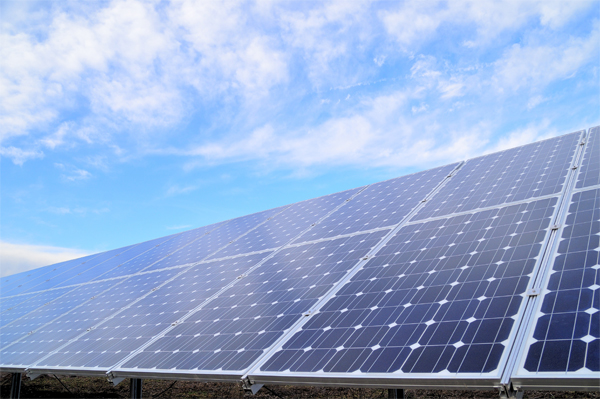
Even a place called Pocosol (literally, “little sun”) is sunny enough in Costa Rica to support a solar energy project.
Thus the Costa Rican consortium of electricity producing cooperatives, Conelectricas R.L., is investing in two solar energy generation plants in Costa Rica’s central-western region that will benefit 7,000 homes.
The first is a project with Coopelesca R.L., in Santa Rosa de Pocosol, San Carlos, and the other with Coopealfaroruiz R.L., in Zarcero.
The idea of the plants is to provide backup generation during the country’s dry season (January – April, in most parts of the country) when hydroelectric production can be stressed and diminish.
The projects total a US$10.3 million investment and will go into operation in the 2018, said the electric consortium.
According to Erick Rojas, manager at Conelectricas, both sites were evaluated to determine whether their climate had sufficient solar radiation and luminosity for the development of a solar energy project.
“During the summer, water resources are scarce, hence the importance of entering into new renewable mechanisms to guarantee the electrical service to our partners,” said Rojas.
Solar energy generation will reduce the consortium’s partners’ need to purchase from ICE during months of lower electrical production. During summer months, ICE often produces additional energy for the national grid using bunker fuel plants, and costs of such production are high.
The Coopelesca project in Pocosol will be situated on 12 hectares of land and will cost US$8 million, with the potential to produce 5 megawatts. The project is awaiting environmental feasibility permits from the National Environmental Technical Secretariat (SETENA) in order to start construction later this year. It would benefit 5,000 homes, said Melvin Pacheco, deputy operations manager at Conelectricas.
The Zarcero project will involve an estimated US$2.3 million investment and will have a 2 megawatt capacity, benefitting 2,000 families.
“With both projects we will produce energy at a lower cost, we will have greater autonomy in diversifying the energy matrix. In addition, in the long term, the cost of electricity of our partners will not depend on the increases requested by ICE because we are producing our own energy,” explains Pacheco.
The goal of the consortium is to generate energy with renewable sources, according to their website.



