


 SIGN UP FOR OUR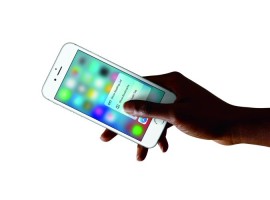
New quick-action gesture iPhone 6s
Austin, Texas, Mar 31 (EFE).– The FBI has agreed to unlock two Apple devices belonging to a pair of teenage murder suspects in Arkansas, the prosecutor in the case said.
The bureau is providing that assistance after the Justice Department said Monday it had gained access to the iPhone used by one of the shooters in last December’s San Bernardino, California, terrorist attack, and no longer needed Apple’s help.
The tech giant had resisted the government’s demand, leading to a court battle.
Cody Hiland, the prosecuting attorney in Faulkner County, Arkansas, said Wednesday that the FBI had agreed to a request from his office and the Conway Police Department to unlock an iPhone and iPod used by the two homicide suspects – 18-year-old Hunter Drexler and 15-year-old Justin Staton.
Those teenagers are accused of killing Robert and Patricia Cogdell, both aged 66, in July 2015 in Conway; the Cogdells had adopted and raised Staton as a grandson, according to the local press.
“Obviously when we heard that (the FBI) had been able to crack that phone we wanted to at least ask and see if they wanted to help,” Hiland said.
Prosecutors say Staton used his iPod to communicate with other suspects and plan the killings and therefore are confident they will find incriminating evidence on both devices.
Both Drexler and Staton have pleaded not guilty to the murder charges, and Drexler’s attorney, Patrick Benca, said Wednesday he was not worried about what his client’s phone may contain.
Drexler’s iPhone 6 is a later model than the one used by the San Bernardino shooter, Syed Rizwan Farook, and therefore it is unclear whether it can be cracked with the same method.
Fourteen people were killed and more than a score were seriously injured in the Dec. 2, 2015, attack carried out by Farook and his Pakistani wife, Tashfeen Malik, at a San Bernardino County public health department holiday party.
Police found the iPhone inside the vehicle that Farook, an American citizen, and Malik – both alleged supporters of the Islamic State – were using to flee police when they were shot dead.
The FBI had asked Apple to create a backdoor to the iPhone used by Farook.
Apple refused, saying the software the government wanted it to create would be the “equivalent of a master key” and “undermine decades of security advancements that protect our customers – including tens of millions of American citizens – from sophisticated hackers and cybercriminals.” EFE



