


 SIGN UP FOR OUR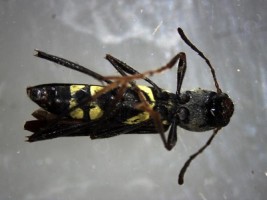
Source: US CBP
US CBP PRESS RELEASE – PHILADELPHIA — The U.S. Department of Agriculture (USDA) confirmed today that a long horned beetle that U.S. Customs and Border Protection (CBP) agriculture specialists intercepted in a shipment of Costa Rican pineapples is the first recorded find of this species in the United States.
CBP discovered the beetle January 29 in a container of 1,575 cases of fresh pineapples. CBP secured the pineapples shipment for fumigation, and submitted the pest specimen to the local USDA entomologist for identification.
The entomologist identified the species as Ayriclytus macilentus of the Cerambycidae family, a species known to occur in Panama, Nicaragua, Colombia, and Costa Rica, and advised CBP that the insect is a pest new to the United States. The national pest identification database confirmed this claim today.
According to the USDA, longhorn beetles pose a significant threat to coniferous and deciduous forests and kills live trees.
“Intercepting destructive insect invaders at our nation’s borders, and before they can threaten our agriculture industries, is of paramount importance to Customs and Border Protection,” said Susan Stranieri, CBP Port Director for the Area Port of Philadelphia. “CBP agriculture specialists take their job very serious, and recording these ‘first in nation’ insect interceptions are significant discoveries.”
CBP agriculture specialists have extensive training and experience in the biological sciences, risk analysis, and in imported agriculture inspection techniques. CBP agriculture specialists are the first line of defense in the protection of U.S. agriculture, forest and livestock industries from exotic destructive plant pests and animal diseases.
On a typical day nationally, CBP agriculture specialists inspect over 1 million people as well as air and sea cargo imported to the United States and intercept 4,447 prohibited meat, plant materials or animal products, including 425 agriculture pests and diseases.



