


 SIGN UP FOR OUR
 Secretary General António Guterres urged the United States not to scale back its support for the United Nations, saying that any move to defund or disengage from the world body would pave the way for other nations to fill in the void, according to a report from Dow Jones Newswires made available to EFE on Monday.


In an interview with The Wall Street Journal, Guterres said he hoped to send a message to President Donald Trump that there is great value to the U.S. for its contributions to programs and operations such as peacekeeping, climate change and humanitarian relief.
“We are engaging in a dialogue,” Guterres said. “I hope it will lead to a confidence being built to allow the U.S. to be a strong and reliable partner to the U.N.,” he said.
“Whenever there is space left by someone, another moves to occupy it,” he added.
The U.S. contributes about $8 billion a year to the U.N. and is its top donor.
Guterres’ comments followed indications by Trump that he was rethinking the U.S.’s commitment to the global body.
Trump, on his Twitter account, has called the U.N. a “club.”
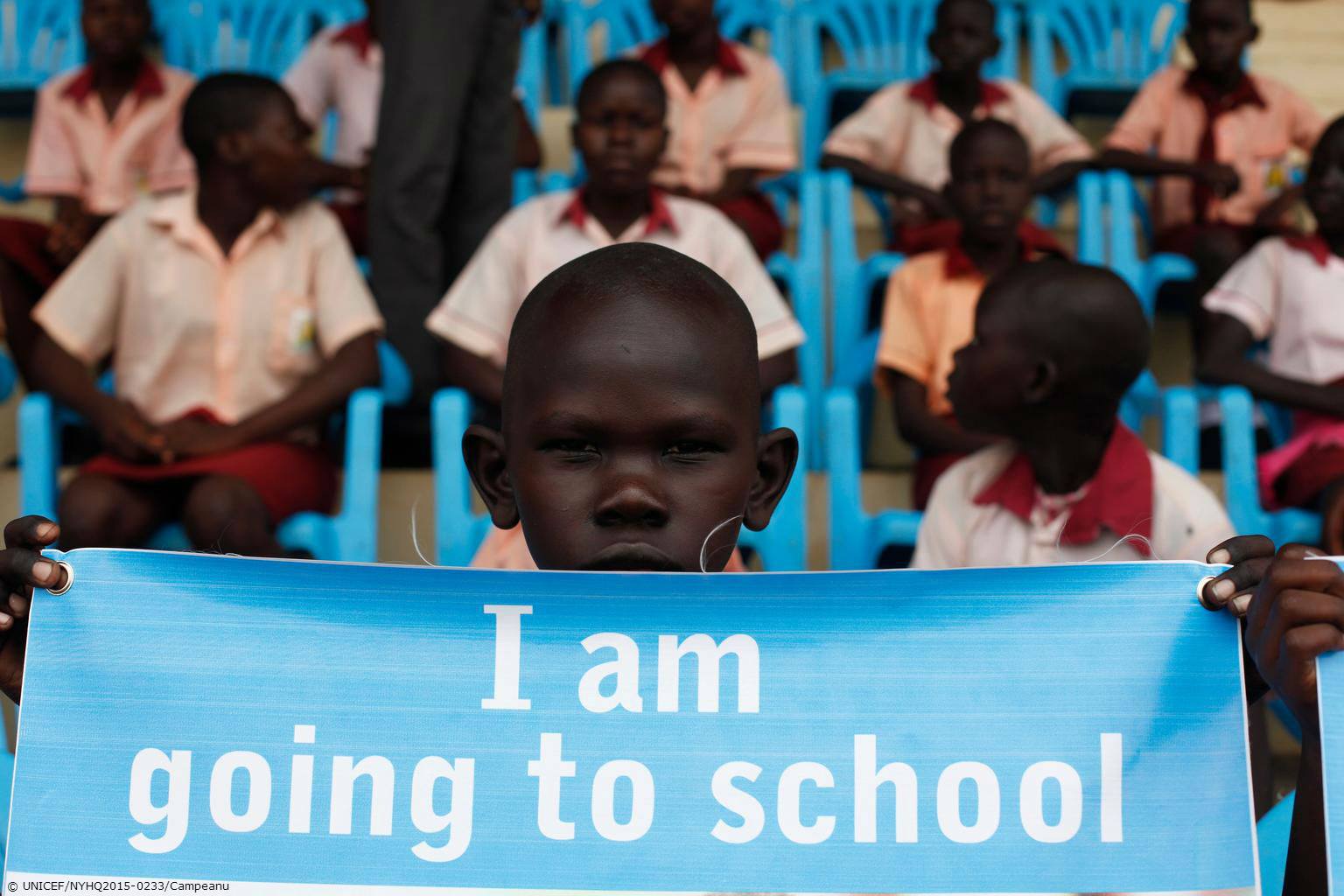
A draft executive order prepared at the White House, meanwhile, calls for a 40 percent cut in U.S. funding of international organizations, including such programs as Unicef, which is focused on children, and U.N. peacekeeping.
The Trump administration hasn’t formally proposed the cuts and hasn’t said whether the draft order is under serious consideration.
Guterres took charge of the U.N. on Jan. 1, after a polling process in which he consistently ranked first among his competitors for the job.
Previously, he served as Portugal’s prime minister and the head of the U.N.’s refugee agency, where he gained a reputation as a vocal advocate for protecting and sheltering refugees.
In trying to convince Trump to maintain his support, he said, he intended to highlight that negotiations and deals are central to the U.N.’s success.
Guterres has made institutional reform the bedrock of his vision.
In the interview, he said one of his goals was to streamline the U.N.’s development, human rights and peace and security endeavors so the three arms of the organization work as one entity.
“We want the US administration to be active in supporting us in the reforms we want to implement,” he said.
“That support can be very important. And I presume that these will help for the U.S. to maintain its very strong financial support of the organization,” he added.
The U.S.’s new Ambassador to the U.N., Nikki Haley, has said that overhauling the organization, including getting rid of programs she called obsolete, is one of her top priorities.
Guterres said her goals for greater efficiency weren’t too far from his, adding that he believed that if the U.N. avoided overlap and improved accountability, “it will be much easier with this administration to have strong support for what we do.”
Guterres said he has formed committees to start tackling thorny topics that have damaged the U.N.’s credibility, such as widespread reports of sexual violence by peacekeepers in Africa and better protection of whistleblowers who come forward with reports of financial corruption.
The structural reforms, in areas of management and staffing, will be harder to tackle, he said, because any change would have to be approved by the member-state General Assembly.
Guterres’s approach to diplomacy is hands-on.
He is also known for having a high level of engagement with the Security Council.
“I intend to be a facilitator with the Security Council,” he said, adding that he is hoping to build bridges among Council members to help break deadlocks on difficult issues, like the continuing conflict in Syria. —EFE



