


 SIGN UP FOR OUR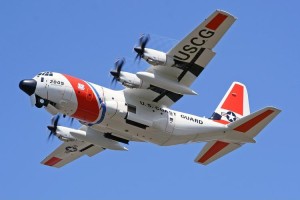
C-130. Wikimedia Commons
A Lockheed P-3 Orion and a Hercules C-130 from the United States Coast Guard should not be allowed to enter Costa Rican airspace for the purpose of flying drug interdiction missions. Such was the statement made by Enio Cubillo, Director of Civil Aviation in Costa Rica, in a memorandum presented to the Chancellor General this week.
The two airplanes in question are part of Operation Martillo (Hammer) and the Joint Patrol Agreement between the U.S. and Costa Rica. This operation, which involves military forces of other nations from the Americas, is part of the War on Drugs, and it aims to fight drug trafficking from South America to Mexico and the United States, the largest marketplace for controlled substances such as marijuana, cocaine, heroin, etc.
According to a news report filed by Erick Carvajal of daily tabloid Diario Extra, the problem with the U.S. Coast Guard aircraft emanates from recent reports of U.S. military helicopters landing in the southern regions of our country. As previously reported by The Costa Rica Star:
[Two] Sikorski UH-60 Black Hawk helicopters, allegedly configured as HH-60 combat rescue aircraft for service in the United States Air Force, were seen flying over the community of La Palma, not far from Ciudad Neilly in the southern region of Costa Rica.
Mariano Figueres, Director of Intelligence and Security, explained that the U.S. helicopters were not armed and had all required permits to enter Costa Rica and land for the purpose of waiting for weather conditions to improve while flying humanitarian missions in Panama. Weeks later, residents of indigenous territories reported even more helicopter flights and landings, which caught the attention of legislators.
To enter the Joint Patrol Agreement, foreign military aircraft, vessels and vehicles must obtain a permit from the Legislative Assembly in Costa Rica. The permit Director Figueres mentioned was not from the legislature; furthermore, the Director of Civil Aviation cited a Constitutional Chamber resolution from 2013, which declared that the Black Hawk helicopters that came to Costa Rica as part of the security detail of U.S. President Barack Obama “disturbed the peace” because they lacked legislative authorization.
Essentially, Director Cubillo is strictly following the law with regard to the U.S. Coast Guard airplanes, which he believes should be held to the same standards applied to other foreign military aircraft in Costa Rica. The two surveillance planes can still participate in Operation Martillo off the Caribbean and Pacific coasts, but they cannot enter Costa Rican airspace for the time being.
The memorandum to the Chancellor and the status of permits for the Joint Patrol Agreement will be discussed at the Legislative Assembly in the coming weeks.



